Excerpt:
QuickBooks Error OLSU 1013: Problem and Solution The article addresses QuickBooks Error OLSU 1013, a banking error that disrupts connections between QuickBooks and financial institutions, hindering online banking, transaction updates, and account management. Problem: The error arises from issues such as inactive accounts, network instability, outdated settings, or corrupted company files. Solution: Back up data, update software and Internet Explorer, ensure stable connectivity, resolve duplicate accounts, and refresh bank connections. Comprehensive troubleshooting ensures uninterrupted financial management.
 Add As A Preferred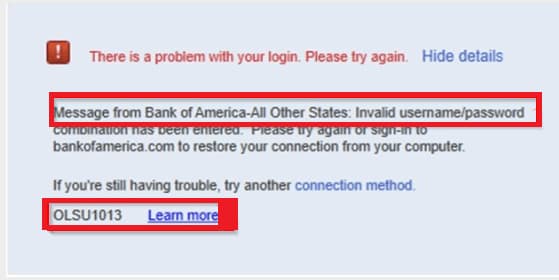
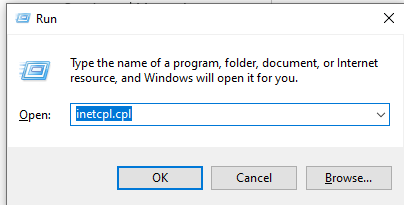
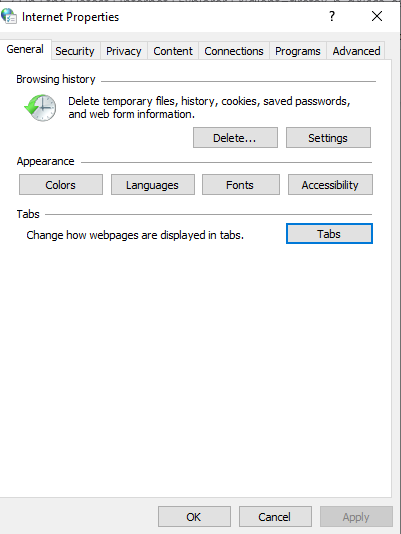
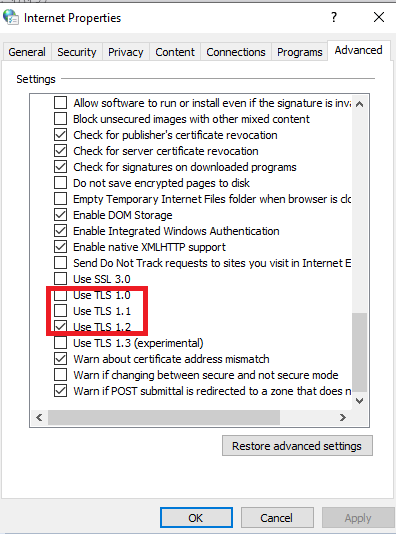
To resolve QuickBooks Error OLSU 1013, you should first ensure all software is up to date and your internet connection is stable. Then, adjust your Internet Explorer settings to use TLS 1.2, check your bank login credentials, and try refreshing the bank connection. If the issue persists, you may need to deactivate and reactivate online services for your accounts, which can sometimes require merging a new account with the old one.
QuickBooks Error OLSU 1013 is a banking connectivity error that occurs when the software cannot establish a secure link between your company file and your financial institution. This interruption typically prevents transaction downloads, online balance updates, and other banking operations. The error may result from outdated settings, inactive accounts, corrupted company data, or network instability.
This article explains the major causes of QuickBooks Error OLSU 1013, outlines its symptoms, and provides step-by-step troubleshooting methods to restore a proper connection with your bank. It also discusses prerequisite actions such as verifying network configuration, updating the Financial Institution Directory (FIDIR), and checking duplicate accounts.
By following these procedures, users can identify the source of the disruption and re-establish consistent online banking functionality in QuickBooks.
QuickBooks Error Code OLSU 1013 is a banking error that generally occurs when performing banking activities or during the configuration of online banking. This error prevents you from updating your account information and halts further actions.
Such banking errors can also be seen when the software is unable to communicate with your financial institution and your bank account. Due to issues with your bank server or your Internet connection, the error Olsu 1013 in QuickBooks may show up on your screen.
QuickBooks Online Banking allows you to directly link your bank accounts and credit card accounts so you can view and download all the latest transactions or manage your finances more efficiently. But sometimes, you may end up with the following error prompt when connecting your bank account with the QuickBooks software:
“An unexpected error occurred. The branding and profile servers could not be accessed”.
There is a problem with your login. Please try again, OLSU1013.
At this point, you can do the following:
There are a variety of reasons that may lead you to error Olsu 1013 in QuickBooks.
Below, we have listed some of the most common ones, which include:
QuickBooks Error Olsu 1013 is indicated by an error message, inability to connect to the bank server, duplicate accounts, system crashes, data loss, and unresponsive commands in QuickBooks.
To recognize QuickBooks bank feed error Olsu 1013, go through the following basic indicators for the same:
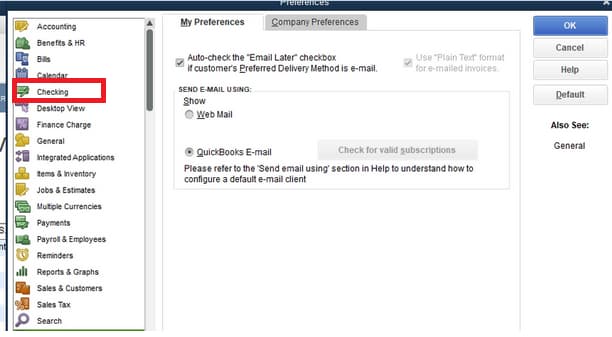
Before moving towards the solution part, have a look at some prerequisite actions that must be taken carefully:
To troubleshoot QuickBooks Error Olsu 1013, ensure all bank accounts are active and your network is stable. Update Internet Explorer, create a new company file if needed, and refresh your bank connection. Additionally, update the Financial Institution Directory, create and merge accounts if necessary, and verify your default bank account settings.
Follow the step-by-step information given below:
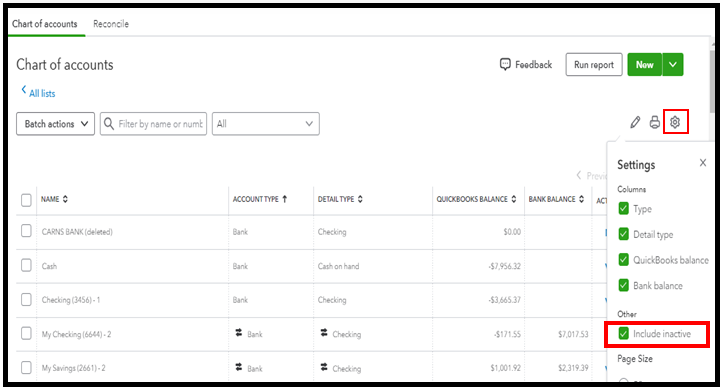
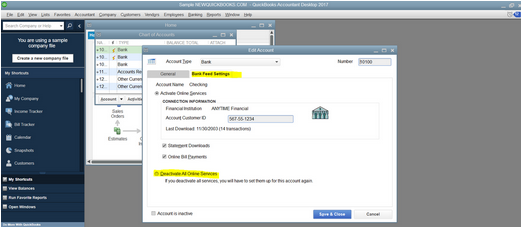
To avoid Olsu 1013 error, disable online banking on inactive bank accounts and then refresh the bank connection on the affected Account.
For this, follow the steps below:
Or if you still have any inactive bank accounts open, here’s how to turn off online banking.
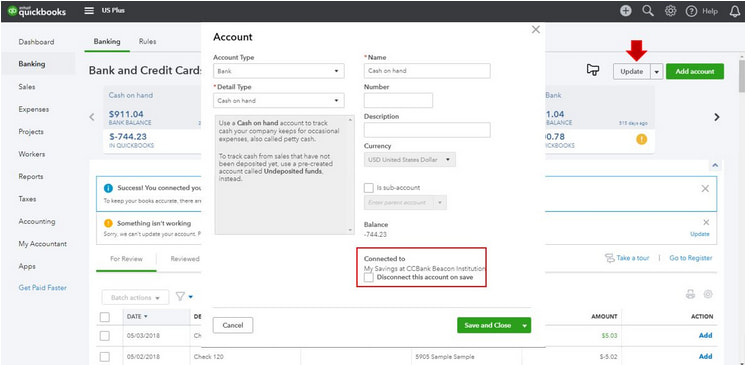
Note: During setup, press the Ctrl key every time you select the tab, except when entering the information. This will refresh your bank connection.
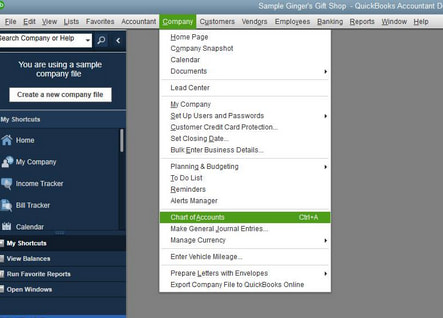
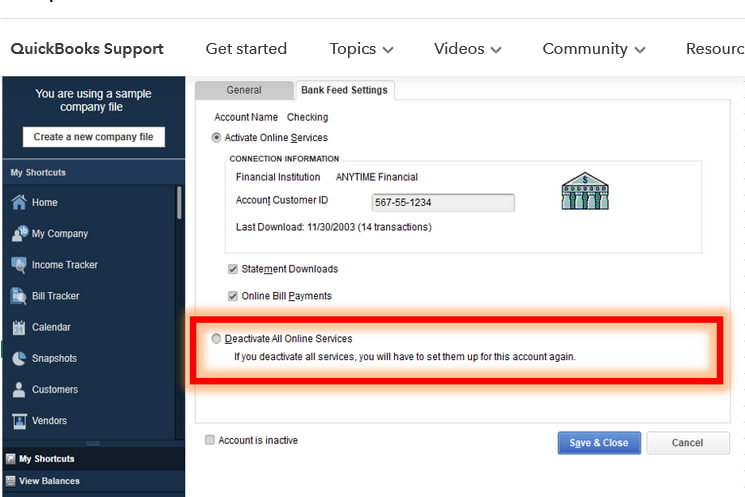
You need to deactivate the accounts that have online services to resolve the QuickBooks bank feed error OLSU 1013.
The steps are here to be performed:
A company file is the most important asset of accounting that holds all the financial information related to your business. You need to start by creating a company file if you’re new to QuickBooks. However, if you already have a company file, you can upgrade it or check if it is the right time to replace your old file.
Here are the steps to create a sample company file:
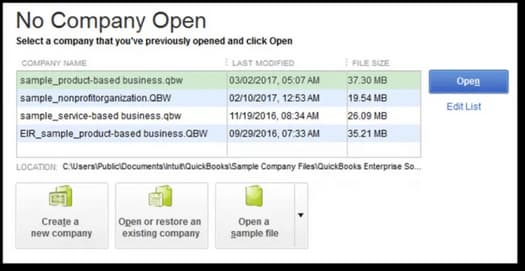
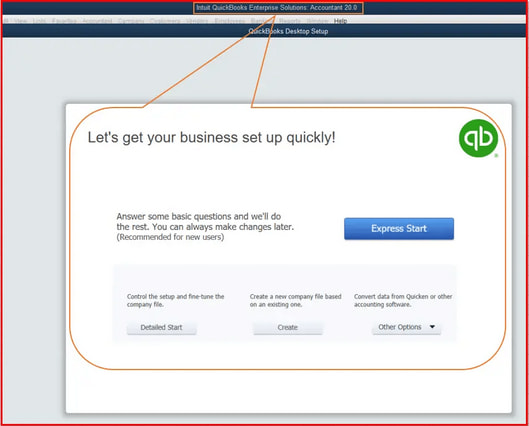
Here are the steps to connect your bank account:
FIDIR ( Financial Institution Directory) is an online directory updated by using QuickBooks to make sure you have the latest info related to your financial institution. Perform these steps to update your FIDIR and fix the OLSU 1013 bank feed error.
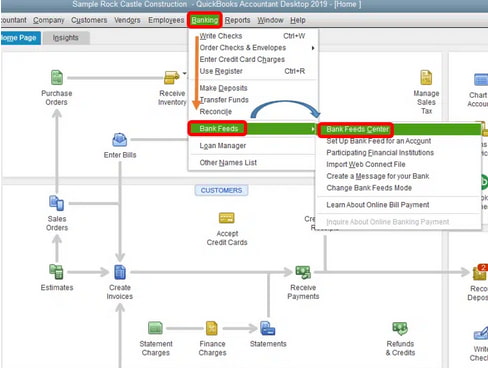
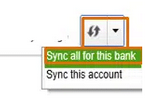
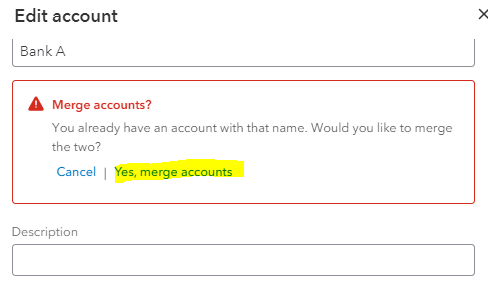
Sometimes, the issue is with your company file itself. To fix this, create a copy of your Account and then merge it with the old one.
Here’s how:
Note: While setting up the account name, paste the text you copied before.
Merge the Accounts
Conclusion
QuickBooks Error OLSU 1013 can interrupt your online banking experience, but following the right troubleshooting steps ensures a smooth resolution. By updating QuickBooks and Internet Explorer, checking your network connection, and verifying your account settings, you can quickly restore your bank feeds to normal operation.
Always keep your Financial Institution Directory (FIDIR) updated and use single-user mode when making banking adjustments. These proactive measures prevent future disruptions and maintain secure synchronization between QuickBooks and your financial institution.
If the error continues or you need expert help, contact our QuickBooks support team at +1-802-778-9005 or email us at support@ebetterbooks.com. Our specialists are ready to guide you through advanced solutions and help you keep your accounting workflow error-free.
The Financial Institution Directory (FIDIR) is an essential file within QuickBooks Desktop that contains a list of every bank and credit union supported for online banking, along with the specific connection instructions (server addresses, connection types, etc.). QuickBooks uses this directory to correctly initiate a secure link with your bank. If the FIDIR is outdated, QuickBooks may use incorrect server details, leading to communication errors like OLSU 1013, even if your account is set up correctly.
Connection stability is often more critical than raw speed. While a very slow connection can cause timeouts, an unstable connection (e.g., poor Wi-Fi signal, frequent packet loss, or a VPN dropping connection) is much more likely to disrupt the secure, real-time handshake between QuickBooks and your bank’s server. This disruption can interrupt the data transmission process and lead to time-out or security-related errors, including the OLSU series.
If your credentials (username/password) change, you should immediately go into the Bank Feeds Center in QuickBooks, edit the affected account’s connection settings, and update the login information there. If your account number changes or the bank closes the old account, the safest procedure is to deactivate online services on the old account in QuickBooks and then set up the new account from scratch. Trying to simply “edit” the connection details on a closed or changed account often leads to OLSU errors.
Generally, no, having multiple company files (.QBW) does not directly cause OLSU 1013 in another file, as each file maintains its own unique online services configuration. However, if the error is related to TLS 1.2 settings in Internet Explorer or an outdated QuickBooks Desktop installation, then the underlying environment issue will affect all company files equally when attempting to connect to the bank.
Not necessarily — generally, deactivating and reactivating bank feeds does not erase transactions already downloaded into QuickBooks. It resets the online connection only. That said, before doing anything, it’s always wise to backup your company file to safeguard data, as recommended when troubleshooting bank‑feed errors.
The Company Cache File stores temporary data that QuickBooks uses for quicker access. A corrupt cache file can cause errors like OLSU 1013 by interfering with your bank connection. Clearing or rebuilding the cache file can often resolve the issue.
Yes, deleting these files is safe, as they are temporary files used by QuickBooks. When deleted, QuickBooks will automatically recreate them without affecting your company file.
You can create a sample (test) company file in QuickBooks Desktop and attempt to set up bank feeds there. If the bank connects successfully in the test file, chances are your live company file has some data‑related issue (e.g. corruption, conflicting settings). If it fails even in the test file, the issue is likely with feed configuration, bank‑server compatibility, or network/Internet settings.