+1-802-778-9005

How to Deal With The QuickBooks Has Reached Maximum Number of Unregistered Users Error?

Understanding and Resolving: QuickBooks “QuickBooks Has Reached Maximum Number Of Unregistered Users” error.

QuickBooks can be accessed in single-user or multi-user modes, depending on the user’s needs. You’ll see that adding the appropriate clients and the organization documents is quite simple when working in the multi-user mode. 

However, there is a chance that the registration of your QuickBooks program was not completed properly, which is one of the prime reasons for the “QuickBooks has reached the maximum number of users” error. Especially when you get the error message on your QuickBooks applications stating “QuickBooks has reached maximum number of unregistered users. To continue using QuickBooks, you must register now”.
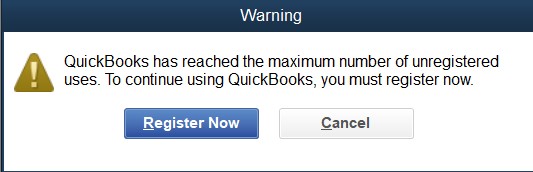
Screenshot of QuickBooks has reached maximum number of unregistered

Or

“You have exceeded the maximum number of users who can access the company at one time.”
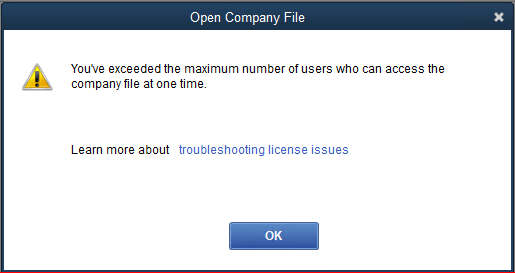
You have exceeded the maximum number of users who can access the company at one time

This article will inform and assist you in fixing the QuickBooks maximum number of unregistered user reached errors by providing detailed solutions.

Reasons Behind the QuickBooks Has Reached Maximum Number Of Unregistered Users Error

QuickBooks Was Used Without Completing Registration

QuickBooks Desktop prompts users to activate after installation, and users can also start activation manually from the Help menu. The error appears when a copy stays unregistered past the permitted period.

  • Registration skipped after installation: A user who dismisses the activation prompt leaves the copy unregistered.
  • Registration postponed because QuickBooks kept opening: Intuit’s Community team says the error appears after a license stays unregistered for more than 30 days of use, and QuickBooks then locks the company file.
  • Registration started but never finished: Activation requires users to follow the on-screen steps and verify their information, so an abandoned wizard leaves the copy unregistered.
  • Registration failed during setup: Intuit maintains a dedicated troubleshooting page for activation, license, and product number errors, and a failed attempt leaves the copy unregistered.
  • Trial installed instead of the licensed product: Intuit’s 30-day trial opens without codes, and Intuit warns that registering the trial can lock users out of QuickBooks.
  • Purchase treated as registration: Activation happens inside the installed software: users open Help, select Activate QuickBooks Desktop, and verify their information.

QuickBooks Was Reinstalled After a Windows Reset, Drive Replacement, or Recovery

Each new installation starts with an activation prompt, and Intuit notes that installation problems can make activation harder. System changes that remove QuickBooks force that cycle to repeat.

  • Uninstall and reinstall on the same computer: Intuit’s reinstall steps start with removing the existing program, and the fresh copy then prompts for activation.
  • Windows reset, clean install, or format: Microsoft states that Reset this PC removes apps and settings, and that reinstalling Windows from a recovery drive removes personal files, apps, and settings. QuickBooks needs a new installation afterward.
  • Hard drive replaced: A new drive holds no installed programs, so QuickBooks needs a full installation.
  • Factory reset, system recovery, or System Restore: System Restore reverts installed programs to their state at the restore point. Microsoft warns that recently installed apps may be affected.
  • Failed or repeated installation attempts: Intuit says a problem during installation can make activation difficult and offers the QuickBooks Install Diagnostic Tool for that case.

QuickBooks Was Moved to a New Computer

Intuit states that users who move QuickBooks Desktop to another computer must register again. A copy that ran for years on the old computer therefore meets a fresh registration step on the new one.

  • Computer replaced after failure, upgrade, age, or slow performance: Each replacement creates a new installation that needs its own registration, whatever the reason for buying the computer.
  • Old computer no longer available: Intuit’s Migrator Tool starts from the old computer’s File menu, and manual moves require uninstalling QuickBooks from the old computer. A computer that failed, was sold, discarded, or formatted removes both routes.
  • Migrator Tool unavailable: The tool covers single-customer installs of QuickBooks Desktop 2018 or newer. Other users must install manually with their product and license information.
  • Company data copied, installation unregistered: Intuit treats moving company files as a separate task from moving the installation. A user can restore a company file on the new computer and still run an unregistered copy.

The License Number, Product Number, and Installed Edition Do Not Match

Intuit requires the license number and product code to match. The product code changes when the installed product changes, even when the license number stays the same. A mismatch leaves the installation unregistered.

  • License number typed incorrectly or taken from another purchase: Intuit lists incorrect license or product numbers as a distinct activation error.
  • Product number typed incorrectly: Intuit separately documents a product number that differs from the one on screen and ties it to a license number change.
  • License details belong to another QuickBooks product: Insightful Accountant describes an Enterprise upgrade where the license number stayed the same, the product code had to change, and Intuit’s license server returned a mismatch message.
  • Different edition installed: Intuit’s product code guide covers Pro, Premier, and Enterprise installs and says the code is stored in the installation’s qbregistration.dat file. A license for one edition carries a different product code than another edition.
  • Different year installed, or old license details used after a version change: An Intuit Community thread describes a user whose Enterprise 22 license and product numbers were rejected on an Enterprise 24 install. The reply pointed to the separate 2024 product code in the customer account portal.
  • Original registration details lost: Intuit lists the purchase confirmation email, the CD’s scratch-off label, and the customer account as sources for license and product numbers. A user who has lost all three has no matching values to enter.
  • Stored product code still points to an older product: Intuit says an old product code can persist even after a restart.

Registration Was Interrupted by Internet, Security Software, or Service Problems

Intuit’s installation guide tells users to keep an active internet connection and to configure firewall and internet security settings. A failed attempt does not trigger the error by itself. It leaves the copy unregistered, and continued use then exhausts the permitted period.

  • No internet connection during registration: An Intuit Community reply states that activation at the end of installation requires an internet connection.
  • QuickBooks could not reach the registration service: Intuit lists a temporarily unavailable service as an activation error and starts its troubleshooting with the Windows date and time settings.
  • Firewall or security software interfered: Intuit says antivirus software can cause a blank activation screen.
  • Network restrictions blocked registration: Intuit’s installation guide lists firewall and internet security configuration as a setup step, which covers networks that filter or restrict traffic.
  • Registration screen failed to load: Intuit documents a blank activation screen and a missing validation code screen as separate registration problems.

QuickBooks Is an Older or Discontinued Version

Intuit sets separate registration rules for discontinued QuickBooks Desktop products. Those rules matter most when a working copy is reinstalled or moved, because each of those events calls for registration again.

  • First-time registration blocked: Intuit says discontinued products cannot be registered for the first time.
  • Re-registration limited to previously registered copies: Intuit allows re-registration of a discontinued product only if the product was registered before and the user is reinstalling it.
  • Assisted support ended: Intuit no longer offers assisted support for discontinued products, though users can contact Intuit to get a validation code.
  • Services discontinued: Intuit’s policy ended live technical support and Intuit services for QuickBooks Desktop 2023 after May 31, 2026.

The License Was Bought Secondhand or Registered Under Another Intuit Account

Intuit Community staff say activation requires the same information provided when the license was purchased. A license bought from a reseller, received from another owner, or registered under a different account can fail to match the person installing it.

  • Installer from a different source: An installer taken from an old backup, another computer, or a CD skips the country, product, and version selection that Intuit’s download page requires.
  • Reseller registration: One reseller’s listing states that its licenses register under the reseller’s own ProAdvisor account. The registration then sits under the seller rather than the buyer.
  • Previously owned or transferred license: Intuit Community staff say a license bought from someone else may already be registered. They add that moving a license to another company requires contacting Intuit Support.
  • Different Intuit Account after reinstall: Intuit’s registration flow lets users sign in with an existing Intuit Account or create a new one, and signing in links that account’s existing information. A different or new account links different information.
  • License tied to another email or registrant: Intuit Community staff describe a request to become the Primary Admin or Contact for cases where the original registrant is unreachable.
  • License not associated with the account in use: Insightful Accountant lists a license mismatched to the customer account among common causes of registration failure.

The User-License Limit Is Being Confused With the Unregistered-Use Error

Intuit counts license seats by user: Pro supports up to three users and Premier up to five in the same company file. The unregistered-use error reflects registration status, so a single user can see it.

  • One person can hit the error: Intuit Community posts show individual users receiving the message right after installing on a new laptop.
  • Headcount is not the trigger: An Intuit Community thread quotes a separate seat-limit message about too many users opening the company file at the same time.
  • Users and unregistered uses measure different things: The Product Information window (F2) shows the seat count under User Licenses. The unregistered-use error follows the 30-day registration window instead.
  • Extra workstations need their own registration: Intuit’s steps for added user licenses tell users to install on each added computer and register QuickBooks from the Help menu. An unregistered added workstation, not the user count, is the relevant factor.

Try implementing the solutions given below to resolve the error; if you still need help, contact 1-802-778-9005, or you can mail us at: support@ebetterbooks.com

Pre-requisites for Solving This Issue

Before attempting to resolve the “QuickBooks has Reached Maximum Number of Unregistered Users” error, first ensure that you have the required authorization to access QuickBooks, Then follow the steps given below:

  • Ensure that you are authorized to register/ reregister/De-register QuickBooks.
  • Take a backup of your accounting data from QuickBooks
  • Ensure that you have “Administration Rights” to access QuickBooks.

Essential Tips for Resolving “QuickBooks Has Reached Maximum Number Of Unregistered Users” error.

Follow the following quick fixes for QuickBooks a has reached the maximum number of unregistered user errors:

Error CausesSolutions
Online Licensing Data is out of sync.Sync Online Licensing Data and verify the number of Licensed Users.
Interruption from other applications.Close all workstations and other applications running in the background.
Invalid data in the Entitlement Data folder.Delete all the data from the Entitlement Data folder.
Unsupportive name entry of the WSActivity File.Rename the WSActivity File to OLDWSActivity.
The Internet Security and Third-Party Firewalls aren’t set up to permit access.Ensure Internet Security and Third-party Firewalls are set up to permit access.

How To Fix The Error in QuickBooks There Are Too Many Unregistered Users?

Solution 1: Online Licensing Data Sync And Verification Of The Number Of Licensed Users

Follow the steps below to verify the number of licensed users:

  1. Step: Select the Manage My License option from the Help menu > Sync License Data Online and click OK.
  2. Step: Choose the Manage My License option from the Help menu > Buy Additional User License.
  3. Step: Check how many Licensed Users there are and verify.

Contact support at 1-802-778-9005 if the number of licensed users is lower or greater than anticipated for further assistance.

Solution 2: Close All Workstations

Follow the below-given steps to close all running workstations to fix the QuickBooks has reached the maximum number of unregistered users error:

  1. Step: To close the QuickBooks point of sale, click on the Exit button from the file option.

Note: The X button at the top right corner of the screen should not be clicked to close the app. The licenses will not become available if you shut down the system in such a manner.

  1. Step: Now restart the workstations. 

As a result, POS won’t be able to launch multiple workstations until you restart your workstation/ Computer.

In case this doesn’t solve the issue even after restarting, move on to the next solution.

Solution 3: Delete All The Data From The Entitlement Data Folder

Follow the steps below to clear the data from the Entitlement Data folder:

  1. Step: Right-click the Windows Start button on the Point of Sale server and select “Open Windows Explorer.”
  2. Step: Click on “Organize,” select “Folder and Search Options.”
  3. Step: To reveal hidden files and folders, click the “View” tab, choose “Show hidden files and folders,” then uncheck the box next to “Hide protected system operating files.”
  4. Step: Respond “Yes” to the warning dialogue box and click on “OK.”
  5. Step: Go to C:Program DataIntuitEntitlement ClientXX (where “XX” is the greatest numerical version you see) to find the respective folder.
  6. Step: To erase the whole contents of the folder at once, press CTRL + A + Delete on your keyboard and then select “Yes” on the pop-up dialogue box.

Restart the registration procedure after opening QuickBooks Desktop Point of Sale.

Solution 4: Rename The WSActivity File

Follow the instructions below to rename the WSActivity file:

  1. Step: Navigate to C:Program DataIntuitQuickBooks Point of Sale XXIni.
  2. Step: Choose the Rename option by right-clicking on WSActivity.
  3. Step: Type OLDWSActivity and then click anywhere to save.
  4. Step: Launch QuickBooks Desktop Point of Sale to check whether the issue has been resolved.

If the error persists, move on to the next solution.

Solution 5: Ensure That Internet Security And Third-Party Firewalls Are Set Up To Permit Access

The firewall needs to be configured properly for QuickBooks Point of Sale to function successfully.

The steps to configure the firewall and internet security systems are as follows:

  1. Step: Navigate to Control Panel > System and Security > Windows Firewall to access the Windows Firewall settings.
  2. Step: From the left side of the window, select the “Advanced Settings” option.
  3. Step: From the right side of the window, select “Inbound Rules” and then click on the “New Rule” option.
  4. Step: Choose “Port” and then select the “Next” option.
  5. Step: Please enter the following details:
    • TCP port: 443
    • UDP port: 55333
    • Allow the connection
    • Name: QuickBooks Point of Sale
  1. Step: To save the changes made, select the “Finish” option.

Solution 6: Use the QuickBooks Point of Sale Connectivity Tool

Utilizing the QuickBooks Point of Sale Connectivity Tool is also advised to deal with the issue at hand. This program can assist in locating any inconsistencies between your security and network configurations and offers suggestions for fixing any problems.

Follow the instructions below to use the tool and rectify any error:

  1. Step: Download the QuickBooks Point of Sale Connectivity Tool from the online website.
  2. Step: Run the tool on the PC where QuickBooks Point of Sale is installed.
  3. Step: To conduct the network and security tests, follow the on-screen instructions.
  4. Step: Review the findings and update your network and security configuration as necessary to deal with the error.

Solution 7: Remove and Re-Add Users in QuickBooks

To resolve the “QuickBooks has reached the maximum number of unregistered users” error, removing and re-adding users can be an effective solution. 

Follow these steps to remove and re-add users in QuickBooks:

  1. Log in as Administrator:
    • Ensure you are logged into QuickBooks with an account that has administrative privileges.
  1. To Remove the User:
    • Navigate to the Company menu.
    • Select Users, then click on Set Up Users and Roles.
    • In the list of users, select the user you want to remove.
    • Click on Delete User. Confirm the deletion when prompted.

Once you remove the users that you want, re-add them.

  1. Re-Add the User:
    • Go back to the Set Up Users and Roles section and click on Add User.
    • Enter the new user’s name and password.
    • Assign appropriate roles and permissions as necessary.
    • Click Save to complete the process.
  1. Verify User Registration:
    • After re-adding, ensure that the user is properly registered. You can do this by going to the Help menu, selecting Manage My License, and syncing license data online.

You can make sure that the users’ profiles are set up correctly by removing and re-adding users in QuickBooks without any conflicts or errors that might cause the ‘Maximum Number of Unregistered Users’ message.

How to Change QuickBooks Online’s Primary Admin?

In QuickBooks Online, changing the principal administrator is a straightforward procedure.

Follow the steps below to change the administrator: 

Step 1: Log in with your account, which is the current primary admin. 

  1. Step: Select “Manage Users” from the “Settings” menu. 
  2. Step: You may now select which person to designate as the new primary admin by clicking on their name and choosing the “Make Primary” option.
  3. Step: Confirm the adjustments when you’ve done. Next, log out of your account.

The newly designated primary admin will now have access to all QuickBooks Online features that you previously had exclusive access to. It’s vital to remember that only another existing user who has administrative access rights can change the primary administrators.

Understanding QuickBooks User Licenses and Limits

How to check the number of licensed users in QuickBooks?

To determine the number of licensed users in your QuickBooks Desktop software, follow these steps:

  1. Open QuickBooks Desktop: Double-click on the QuickBooks Desktop icon to launch the program.
  2. Once QuickBooks is open, ensure you are on the Home screen or the main dashboard.
  3. On your keyboard, press the F2 key (or Ctrl + 1 as an alternative).
  4. This will open the Product Information window, which displays details about your QuickBooks software.

In QuickBooks Online

For QuickBooks Online, the number of users depends on your subscription plan. To view or manage users:

  1. Sign in to QuickBooks Online: Use your administrator credentials to log in.
  2. Navigate to the Users Section:
    • Click on the gear icon (⚙️) in the upper right corner.
    • Under the “Your Company” section, select “Manage Users.”
  3. Review User Details:
    • The “Manage Users” page will display a list of active users and their roles. The number of users listed corresponds to the number of active users in your QuickBooks Online account.

If you need to add or remove users, you can do so from this “Manage Users” page, keeping in mind the user limits associated with your subscription plan.

What are the QuickBooks Licensing Violations?

QuickBooks licensing violations occur when users breach the software’s licensing agreements, which can lead to legal and financial consequences. Common violations include:

  • Using Unlicensed Software: Installing and using QuickBooks without purchasing a valid license.
  • Exceeding Licensed User Limits: Operating QuickBooks with more users than the license permits.
  • Sharing License Credentials: Distributing license keys or credentials to unauthorized individuals or entities.
  • Installing on Multiple Devices: Using a single-user license to install QuickBooks on multiple computers simultaneously.
  • Using Outdated Versions: Continuing to use versions of QuickBooks that are no longer supported or licensed.

To ensure compliance and avoid violations:

  • Purchase from Authorized Sources: Always buy QuickBooks licenses directly from Intuit or authorized resellers.
  • Adhere to License Terms: Review and follow the specific terms outlined in your QuickBooks licensing agreement.
  • Monitor User Access: Regularly audit the number of users and installations to ensure they align with your licensed entitlements.
  • Stay Updated: Keep your software current by installing updates and renewing licenses as needed.

By following these guidelines, you can maintain compliance with QuickBooks’ licensing requirements and avoid potential violations.

Best practices for managing QuickBooks user licenses

Managing QuickBooks user licenses effectively ensures optimal performance and compliance. Here are the best practices:

  1. Assess User Needs:
    • Identify Roles: Determine which team members require access and their specific roles.
    • Assign Permissions: Grant users only the permissions necessary for their tasks to maintain data security.
  2. Monitor License Usage:
    • Regular Audits: Periodically review active users to ensure licenses align with current staffing.
    • Revoke Unused Licenses: Deactivate accounts of former employees or those no longer needing access.
  3. Stay Updated on License Terms:
    • Review Agreements: Understand the specifics of your QuickBooks license, including user limits and renewal dates.
    • Upgrade When Necessary: If your team grows, ensure your license accommodates additional users.
  4. Implement Access Controls:
    • Use Strong Passwords: Enforce robust password policies to protect sensitive financial data.
    • Enable Two-Factor Authentication (2FA): Add an extra layer of security for user logins.
  5. Train Users:
    • Provide Training: Ensure users are familiar with QuickBooks features relevant to their roles.
    • Update on Changes: Keep users informed about software updates or changes in processes.
  6. Utilize the QuickBooks Admin Account:
    • Centralized Management: Use the admin account to oversee user access and permissions.
    • Limit Admin Access: Restrict admin privileges to trusted personnel only.
  7. Document User Policies:
    • Create Guidelines: Establish clear policies for user access and responsibilities.
  8. Regular Reviews: Update policies as needed to reflect changes in your business or software.

Avoiding common mistakes that lead to unregistered user errors

Unregistered user errors in QuickBooks often stem from issues related to software installation, licensing, or user account management. To prevent these errors, follow these detailed steps:

  1. Proper Software Installation and Licensing:
    • Use Official Sources: Always download QuickBooks from Intuit’s official website or authorized distributors to ensure the software’s authenticity.
    • Enter License Information Accurately: During installation, input the license and product numbers exactly as provided. Mistakes here can lead to registration issues.
    • Complete the Registration Process: After installation, register your product promptly. This often involves creating or signing into an Intuit account and verifying your purchase.
  2. User Account Management:
    • Assign Appropriate Roles: Ensure each user has the correct permissions. Misassigned roles can cause access problems and unregistered user errors.
    • Regularly Update User Information: Keep user details current. Outdated information can lead to recognition issues within the system.
    • Monitor User Activity: Regularly review user logs to identify and address unauthorized access or anomalies promptly.
  3. Maintain Software Updates:
    • Enable Automatic Updates: Keeping QuickBooks updated ensures you have the latest features and security patches, reducing the risk of errors.
    • Manually Check for Updates: Periodically verify that your software is current by navigating to the ‘Help’ menu and selecting ‘Update QuickBooks.’
  4. Network and Multi-User Setup:
    • Configure Network Settings Properly: In multi-user environments, ensure that the server hosting the company file is correctly set up and that all workstations can communicate with it.
    • Use the QuickBooks Database Server Manager: This tool helps manage multi-user access and can resolve many network-related errors.
  5. Regular Data File Maintenance:
    • Verify and Rebuild Data: Regularly use the ‘Verify Data’ and ‘Rebuild Data’ utilities found under the ‘File’ menu to identify and fix data integrity issues.
    • Create Backups: Frequent backups protect against data loss and make recovery from errors more straightforward.
  6. Seek Professional Assistance When Needed:
    • Consult Intuit Support: If you encounter persistent errors, reaching out to Intuit’s support can provide specialized assistance.
    • Engage Certified ProAdvisors: These professionals are trained in QuickBooks and can offer in-depth help tailored to your business needs.

By diligently following these steps, you can minimize the occurrence of unregistered user errors in QuickBooks, ensuring smoother financial management and operational efficiency.

Wrapping-Up!

Hopefully, the solutions listed here will help you overcome the error of QuickBooks Has Reached Maximum Number Of Unregistered Users. But if you still need help regarding this issue or professional assistance, immediately contact our customer service to avoid any inconvenience.

Implement the solutions given above to resolve the error; if you still need help, contact 1-802-778-9005, or you can mail us at: support@ebetterbooks.com

FAQs

How Many Users Can Simultaneously Access a Company’s QuickBooks File at the Most?

Up to 30 simultaneous users may use QuickBooks simultaneously. The maximum number of concurrent users for QuickBooks Pro is three, whereas the maximum number for Premier is five. If no one uses the server to access QuickBooks, the server does not count as a user. With QuickBooks Enterprise solutions, you can work on the file simultaneously for more people.

Can I add more users to QuickBooks Desktop without upgrading my plan?

In QuickBooks Desktop, the number of users you can add depends on your specific product and license. For QuickBooks Pro, you can have up to 3 users; for QuickBooks Premier, up to 5 users; and for QuickBooks Enterprise, up to 40 users. If you’ve reached your user limit, adding more users would require upgrading your QuickBooks version or purchasing additional licenses.

To add a new user within your current user limit:

  1. Open QuickBooks Desktop: Launch your QuickBooks Desktop application.
  2. Access the Company Menu: Navigate to the top menu bar and click on ‘Company’.
  3. Set Up Users and Passwords: From the dropdown, select ‘Set Up Users and Passwords’, then choose ‘Set Up Users’.
  4. Add User: In the User List window, click the ‘Add User’ button.
  5. Enter User Information: Input the new user’s name and create a password. Click ‘Next’.
  6. Assign Permissions: Specify the areas of QuickBooks you want the user to access. You can choose ‘All areas of QuickBooks’ or select specific areas. Click ‘Next’ after each selection.
  7. Finish Setup: Review the permissions and click ‘Finish’ to add the user.

If you need more users than your current version allows, consider upgrading to a version that supports additional users or purchasing additional licenses.

Why is QuickBooks saying I have reached the maximum number of users when I haven’t?

QuickBooks may display a message indicating you’ve reached the maximum number of users, even if you believe you haven’t. This can occur due to several reasons:

  • User License Limitations: Each QuickBooks license allows a specific number of concurrent users. If your license permits, for example, five users, and all are logged in, additional users will be denied access.
  • Inactive User Sessions: Sometimes, users may not log out properly, leaving sessions active. QuickBooks counts these as active users, which can lead to reaching the user limit prematurely.
  • User Roles and Permissions: Certain roles may require multiple user licenses. For instance, if a user has administrative privileges, QuickBooks might count them as more than one user.

What happens if I exceed the QuickBooks user limit?

Exceeding your QuickBooks user limit means that when more users try to access your company file than your license allows, new users will be blocked and receive an error message. Here’s what to do:

For QuickBooks Desktop

  1. Error Notification:
    • If the maximum number of concurrent users is reached, anyone trying to log in will see a “User Limit Exceeded” error.
  2. Check Active Users:
    • Go to Company > Users > View Users to see who is currently logged in.
  3. Manage Sessions:
    • Ask inactive users to log out or, if needed, use the admin tools to disconnect inactive sessions.
  4. Plan for Growth:
    • If you regularly need more users, consider upgrading your license to a version that supports additional concurrent users.

For QuickBooks Online

  • User Addition Limit:
    • QuickBooks Online sets a cap on the number of users you can add. Exceeding this limit prevents adding new users.
  • Review Current Users:
    • In your account settings, check the current user list and remove any that are no longer needed.
  • Upgrade Your Plan:
    • If you require more users, upgrading your subscription to a plan with a higher user limit is necessary.

Can I use QuickBooks on multiple computers with one license?

You can install QuickBooks on multiple computers with one license, but only one user can access it at a time. If you need to use QuickBooks on multiple computers simultaneously, you need to purchase additional user licenses.

How to resolve QuickBooks pos has reached the maximum number of unregistered users?

This message in QuickBooks POS means that the software has hit its limit for unregistered users. QuickBooks POS allows a certain number of users to operate without registration, but once that limit is reached, no additional users can access it without proper registration.

Solution to Resolve This:

  • Register the Software – Go to Help > Register QuickBooks Point of Sale and follow the prompts.
  • Remove Unregistered Users – Delete or convert unregistered users to registered ones.
  • Check License Limitations – Ensure your license supports the number of users you need.
  • Restart POS & System – Sometimes, a simple restart can help refresh user status.

How To Resolve Quickbooks Has Reached The Maximum Number Of Unregistered Hours?

hen QuickBooks shows the message that it has reached the maximum number of unregistered hours, it means that your software trial period has expired, or you have exceeded the allowed usage without activating your license.

To resolve this:

  1. Register or Activate: Go to the Help menu and select “Activate QuickBooks.” Follow the steps to enter your license and product number.
  2. Purchase a License: If you haven’t purchased QuickBooks yet, you’ll need to buy the software and register it.

How to Get Rid of a User from QuickBooks?

You can remove a user from QuickBooks by following the steps below:

  1. Step: Select the Settings tab.
  2. Step: Select the Manage Users option.
  3. Step: Choose the arrow icon in the column to delete.
  4. Step: Click the Delete tab option.
  5. Step: Select the Delete option again in the confirmation window. 

The selected respective user will now be deleted from the database.

Can I Manage Multiple Businesses with a Single Copy of QuickBooks?

Yes, you can manage as many organizations as you wish from a single copy of QuickBooks. If you utilize QuickBooks with numerous users, each user will still need their license.