Excerpt:
This guide helps users determine which versions of Windows 10 are compatible with QuickBooks Desktop, ensuring smooth operation. It provides clear instructions for checking your Windows version, details on QuickBooks compatibility, and the importance of updating both software and system settings, such as enabling .NET Framework 3.5, to prevent errors and enhance performance. This ensures users can run QuickBooks effectively on their Windows 10 system.
 Add As A Preferred
QuickBooks Desktop is an accounting software application accessible on well-known operating systems, including macOS and Windows. The parent firm regularly upgrades QuickBooks and these OSs, offering amazing enhancements to the product and services. Users should ensure that the application you download is compatible with your machine’s operating system. QuickBooks Desktop (QBDT) works with all currently supported versions of Windows 10 (22H2 and later) and Windows 11. Intuit officially requires you to be on a Windows version that Microsoft is actively supporting.
However, many users need help installing these upgrades, which causes problems with their operating systems and QuickBooks. Today, we’ll concentrate on figuring out if QuickBooks runs properly with the latest Windows 10. Let’s explore why it’s crucial to stay updated and how doing so affects your use of QuickBooks on Windows 10.
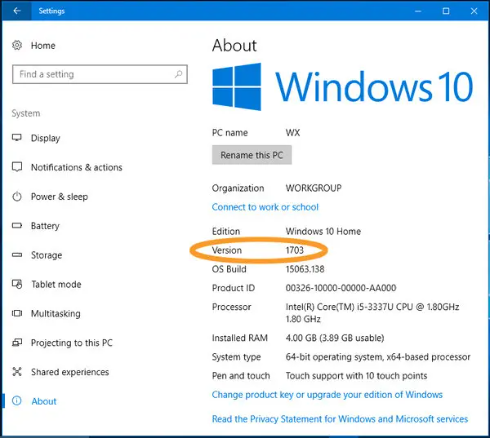
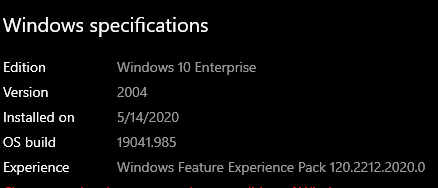
To check your Windows 10 version, follow these steps:
To determine if their QuickBooks versions are compatible with Windows 10, most consumers search online for phrases like “Is QuickBooks Pro 2019 compatible with Windows 10” or “Does QuickBooks 2019 work on Windows 10”. Here are all the QuickBooks-Windows 10 compatible versions that would function without problems on the operating system to settle all questions.
QuickBooks 2014 and earlier versions won’t function correctly on Windows 10. You should update QuickBooks to the most recent version if you experience problems like QuickBooks Error 15271. To ensure that QuickBooks on Windows 10 runs without compatibility issues, you must also enable the Microsoft.NET Framework 3.5. This is necessary for all systems compatible with QuickBooks to operate properly. Adhere to these guidelines for a better experience.
The response to the query is no. Some versions of Windows 10 are incompatible with QuickBooks, much as we discussed with QuickBooks and its compatibility with Windows 10. The various versions of Windows 10 and their compatibility with QuickBooks on Windows 10 are shown below.
Note: Not everyone uses Windows 10 on the same release. Check your release and other specifications.
Knowing which version of Windows 10 you have is important before checking QuickBooks compatibility. The subsequent procedures depend on the initial data. Here’s how to determine what version of Windows 10 you have:
Given the variety of Windows 10 releases, it’s critical to understand which desktop versions of QuickBooks work smoothly.
The following QuickBooks desktop editions are fully compatible with Windows 10:
This is Windows 10’s second-most recent version. All versions of QuickBooks Desktop, starting in 2017, are supported by version 1803. These versions have all been verified to operate correctly with Version 1803.
This version of Windows 10 supports every version of QuickBooks Desktop from 2017 to 2020. These versions have all been verified to operate correctly with Version 1709.
It is advised to update to the most recent version of Windows 10 if you are currently using any of them. QuickBooks Desktop might not perform at its peak on some outdated operating systems, and Microsoft has already discontinued support for them. You can benefit from the new features and enhancements by updating to the most recent version of Windows, Version 1809.
If you ever wish to undo a recent Windows 10 upgrade, you can use the Rollback option by following the instructions in Microsoft Help. However, before making any modifications to your Windows operating system, it is advised to consult with a computer or IT expert. It will improve your overall experience and security if you ensure you are running the most recent version of Windows supported.
Since not all versions of QuickBooks are supported by Windows 10, it is advised that you check after exploring the Windows 10 versions to see if your version is. Check to see if your operating system is compatible with QuickBooks desktop before deciding whether to update it.
The following is a list of QuickBooks desktop versions that work with Windows 10:
You don’t need to worry if you use QuickBooks 2016 R7 or later; you can migrate to Windows 10 because these versions are compatible with Windows 10. Users of QuickBooks 2016 R7 and subsequent versions shouldn’t worry because they won’t experience any Windows 10 compatibility issues.
Note: If your QuickBooks 2016 version is earlier than R7, you will need to update QuickBooks to the latest release in order to become compatible with Windows 10.
Regarding QuickBooks Desktop 2015 & 2016 (R 1-6) and Windows 10, they are only compatible under the condition that if .Net Framework 3.5 isn’t enabled on the machine, you can run into some problems.
Any version of QuickBooks 2014 or earlier is not compatible with Windows 10. Thus, users who still use them must update to the most recent version. Continuing to use them could lead to various faults and technical problems that could affect your data and QuickBooks operations.
It’s crucial to update your accounting software immediately to prevent potential issues. By doing this, you can guarantee a more streamlined experience and improved compatibility with QuickBooks for your Windows 10 operating system. To get the most out of your QuickBooks software, stay current!
There may be times when you don’t have .NET 3.5 Framework enabled, regardless of the version of Windows 10 you are running. Your user experience will suffer greatly in these circumstances. Therefore, the best thing you can do is turn on this feature, providing the best QuickBooks Desktop on Windows 10 experience imaginable.
The actions you must take to activate.NET Framework 3.5 to guarantee ideal compatibility with QuickBooks Desktop are listed below:
Bottom Line
Hopefully, the information given above will be useful to you. But if you are still facing any kind of issues with your software and need professional assistance regarding accounting, bookkeeping & accounting software-related issues, then feel free to get technical support with us at +1-802-778-9005, or you can email us at support@ebetterbooks.com
QBDT requires you to run a version of Windows that is actively supported by Microsoft. As of 2025, this means you must be using:
1. Windows 11 (any currently supported build)
2. Windows 10 (version 22H2 or later)
Using older Windows 10 builds (like 1809, 1709, or 1903) is a major security risk and will likely lead to instability or loss of QBDT services (like Payroll).
Yes, generally. All currently supported versions of QBDT—2023 and 2024—have been tested and are compatible with Windows 11. If you are running QBDT 2022 or older, you should check the official Intuit system requirements, but you are strongly advised to upgrade, as these older versions are or will soon be unsupported.
You must upgrade your QuickBooks software. Intuit follows a three-year support cycle, which means QBDT 2021 and earlier versions are discontinued (unsupported).
Risk: While the software may technically run, you will lose crucial services like Payroll, Merchant Services, and security patches. Continuing to use discontinued versions puts your financial data at high risk.
The most common technical reason is a missing or disabled Microsoft .NET Framework component. QuickBooks relies on this component for many core functions.
Solution: If you experience installation failures or odd crashes, go to the Windows Control Panel, select “Turn Windows features on or off,” and ensure the boxes for both .NET Framework 3.5 and .NET Framework 4.8 (or higher) are checked and enabled.
Yes, QuickBooks Desktop is compatible with all standard editions: Windows 10/11 Home, Pro, and Enterprise. The key factor is the build number (the version updated by Microsoft), not the edition type. Always ensure your edition is up-to-date and fully patched.
Windows 10 and QuickBooks work together. You must use compatible versions to get the best performance out of QuickBooks. Windows 10 is fully compatible with QuickBooks Desktop 2016 R7 and subsequent versions.
Several previous versions are incompatible with Windows 10, including QuickBooks Desktop 2014. Updating to the most recent version of QuickBooks is advised to prevent problems and guarantee a pleasant experience.
You can find out what version of Windows 10 you have by going to the Start menu, typing “About your PC” into the search bar, and then choosing “About your PC.” On the screen, the version number will be visible.
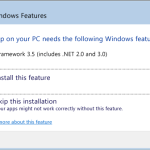
Go to the Control Panel, select “Programs and Features,” and then click the “Turn Windows features on or off.” to enable the.NET Framework 3.5 on Windows 10. Click OK after selecting the checkbox next to “.NET Framework 3.5 (includes.NET 2.0 and 3.0)”.
A supported version of QuickBooks must be used if you experience compatibility problems with QuickBooks on Windows 10. For optimum performance, update .NET Framework 3.5 and Windows 10 to their most recent versions. Consult a computer specialist or QuickBooks support if issues continue.
The system requirements for QuickBooks Desktop include:
1. Operating System: Windows 10 64-bit, Windows 11, or Windows server with specific editions and versions.
2. Processor: For the best experience, we recommend regularly using a processor 4 GHz or faster, with a multi-core processor preferred.
3. Memory (RAM): For Windows 8, the required amount of RAM is 4GB while for the Pro version.
4. Disk Space: Ideally, the hard drive should have at least 4 GB of free space, though more space for data files may be needed.
5. Display: Minimum screen resolution of 1280 x 800 or better.
6. Internet Connection: Necessary for product activation, for receiving updates, and for online services.