Excerpt:
QuickBooks Error 6000 77 typically occurs when the company file is stored in an incorrect location or there are access issues due to file permissions or network connectivity. This article provides actionable solutions, such as adjusting folder permissions, renaming corrupted configuration files, or using QuickBooks’ File Doctor tool, to help you regain access to your company file and avoid future errors. It is tailored to users facing difficulties with accessing their QuickBooks company files efficiently.
 Add As A Preferred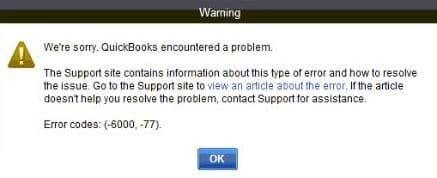
QuickBooks Error Code 6000, 77 typically occurs when the company file is stored in an incorrect folder location or when QuickBooks does not have proper permissions to access the file. This issue is commonly seen when the company file is saved on an external drive, a mapped network drive, or inside a restricted folder, preventing QuickBooks from establishing a proper connection.
Users encountering this issue usually see the following error message on their screen:
“We’re sorry. QuickBooks encountered a problem. Error codes: (-6000, -77).”
In today’s evolving accounting environment, businesses rely heavily on advanced accounting software like QuickBooks whether desktop-based or cloud-integrated to manage financial operations efficiently. However, when system configuration issues, incorrect file paths, damaged network data files (.ND), or insufficient folder permissions interfere with the company file, QuickBooks displays pop-up error messages and restricts access to the file.
QuickBooks Error 6000, 77 is primarily triggered by file location conflicts, incorrect network configurations, or insufficient folder permissions that prevent the software from accessing the company file.
You may notice the following indicators when this error occurs:
“We’re sorry. QuickBooks encountered a problem. Error codes: (-6000, -77).”
Before performing advanced troubleshooting, try these initial steps:
The following step-by-step solutions help resolve file access conflicts, network connectivity issues, hosting misconfigurations, and permission restrictions that prevent QuickBooks from opening the company file successfully.
Creating a new folder with proper permissions resolves issues caused by corrupted directories, allowing QuickBooks to host and share the file securely and eliminating access errors linked to Error 6000, 77.
Note: To find out which tool hub version you have, select the Home tab and the version will be on the bottom.

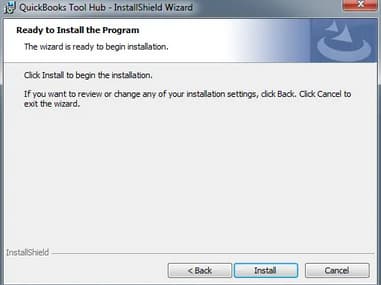
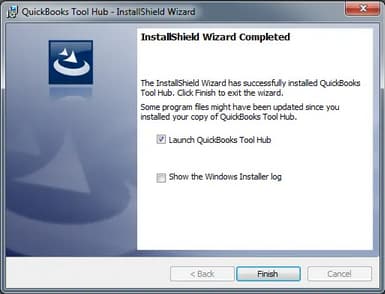
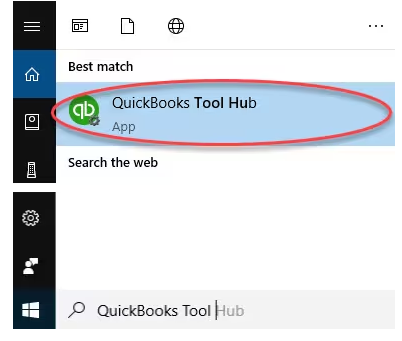
Note: If you are unable to find the icon, do a search in Windows for QuickBooks Tool Hub and select the program.
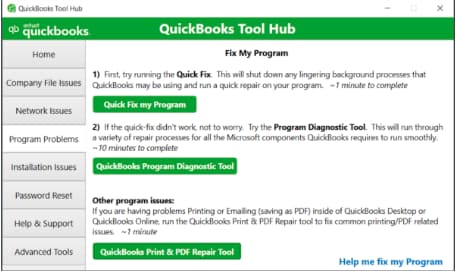
The Quick Fix will shut down any open background processes QuickBooks uses. It’ll run a quick repair on your program.
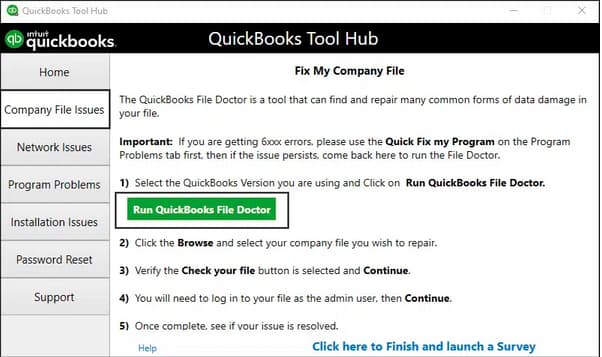
Note: Look for QuickBooks Desktop File Doc and try to open it manually if the QuickBooks File Doctor doesn’t open.
Depending on file size, the scan can take 10 to 15 minutes. It may show as unsuccessful even if the problem is fixed. Once finished, reopen QuickBooks and your company file.
Note: When QuickBooks File Doctor doesn’t resolve the issue, proceed by repairing data damage on your QuickBooks Desktop company file.
This payroll update error can occur if Windows Firewall blocks internet access for certain QuickBooks programs or files. Follow the steps below to properly configure or manually update your firewall settings.
Follow the steps below for each QuickBooks Desktop version if you’re using multiple versions on the same computer.
Step 1: Navigate to the Windows Start menu.
Step 2: Type “Windows Firewall” in the search bar and then hover over Windows Firewall Settings.
Step 3: Choose Firewall Advanced options from the left sidebar.
Step 4: After this, you get the inbound and outbound rules under Advanced Settings.
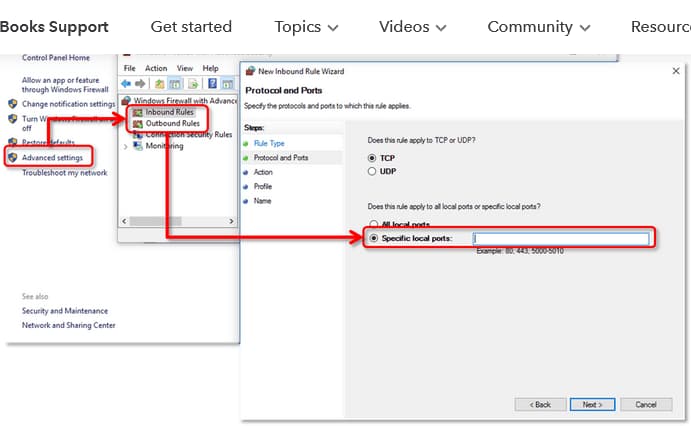
Step 5: Hit right-click on Inbound Rules and then select the New Rule option.
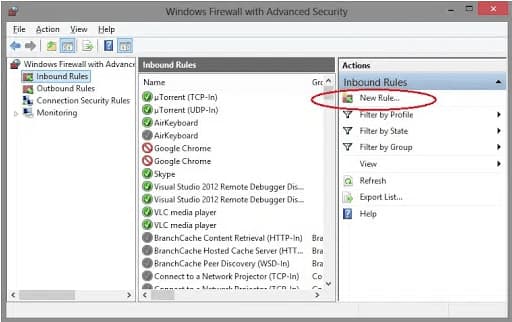
Step 6: Under the New Rule window, click on Port and later press Next.
Step 7: Next, be sure that TCP is selected.
Step 8: Under the Specific local ports field, type the Specific ports required for the QB year version you are currently using:
QuickBooks Desktop 2021, 2022, and later versions use dynamic ports. Here’s how to get a dynamic port number:
Remember: You can change the assigned port number by selecting Renew. After renewing, go to the Scan Folders tab and choose Scan Now to reset firewall permissions. Port renewal is only available for QuickBooks Desktop 2019 and later; older versions do not support this option.
Step 9: Once you enter the port number, press Next.
Step 10: Choose Allow the Connection and hit the Next tab.
Step 11: If you’re prompted, make sure all profiles are marked. Click Next again.
Step 12: Create a rule and name it “QBPorts(year).”
Step 13: Select Finish.
Step 14: Re-perform the same steps to create outbound rules.
QuickBooks uses executable files (.exe) to perform various tasks. To create exceptions for each executable on the table, adhere to the following steps:
Step 1: Navigate to the Windows Start menu.
Step 2: Enter Windows Firewall into the search box, and open Windows Firewall.
Step 3: Select Advanced Settings.
Step 4: Hit right-click on Inbound Rules and hit the New Rule tab.
Step 5: Click Program and press Next.
Step 6: Select This Program Path and click Browse.
Step 7: Locate and select any one executable file from the table listed below. Then, hit the Next tab.
Step 8: Select the option Allow the Connection and click Next.
Step 9: If prompted, make sure all profiles are marked. Then, click the Next button.
Step 10: Create a rule and name it “QBFirewallException(name.exe).”
Step 11: Re-implement the same steps to create Outbound Rules.
Here’s a list of some executable files, along with their locations:
| Executable files | Location |
| IntuitSyncManager.exe | C:\Program Files\Common Files\Intuit\Sync |
| QBCFMonitorService.exe | C:\Program Files\Common Files\Intuit\QuickBooks |
| AutoBackupExe.exe | C:\Program Files\Intuit\QUICKBOOKS YEAR |
| QBW32.exe | C:\Program Files\Intuit\QUICKBOOKS YEAR |
| QBLaunch.exe | C:\Program Files\Common Files\Intuit\QuickBooks |
| OnlineBackup.exe | C:\Program Files\QuickBooks Online Backup |
| FileManagement.exe | C:\Program Files\Intuit\QUICKBOOKS YEAR |
Note: If you see “Program Files (x86),” it simply means your computer is running a 64-bit operating system.
Once you’re ready, open QuickBooks Desktop and try accessing your company file in multi-user mode.
Follow these steps to open your QuickBooks company file using a direct UNC path. This method bypasses mapped drive dependencies, ensures stable access to the server location, and helps resolve path resolution failures such as Error 6000, 77.
Note: Keep the Ctrl key pressed to stop QuickBooks Desktop from auto‑opening a company file.
Note: You may need to set folder permissions if you can’t find the folder where the company file is saved.
Renaming the .ND and .TLG files forces QuickBooks to recreate fresh configuration files. This resolves corruption or misalignment in the network descriptor and transaction log, which often cause Error 6000, 77 when accessing the company file.
Default Location: C:\Users\Public\Public Documents\Intuit\QuickBooks\Company Files
Example: company_file.qbw.nd, company_file.qbw.tlg
Example: company_file.qbw.nd.OLD, company_file.qbw.tlg.OLD
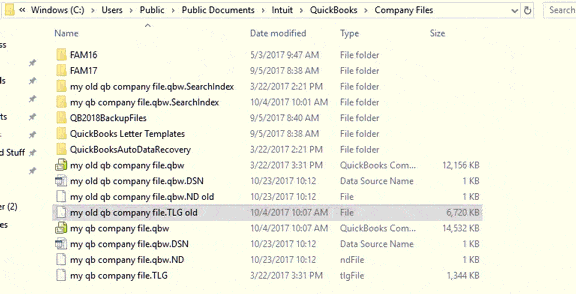
The folders need to have the right Windows permissions to access folders in the multi-user mode. Every version of QuickBooks has corresponding components that need to be updated to function in the multi-user mode.
If your permissions aren’t set correctly:
Ensure QuickBooks has the appropriate access permissions to prevent future issues when working with company files over the network.
For Windows 10
QuickBooks Error Code 6000, 77 typically occurs when the software is unable to access the company file due to incorrect file location, network configuration issues, damaged support files, or insufficient folder permissions. The error message “We’re sorry. QuickBooks encountered a problem. Error codes: (-6000, -77)” indicates that QuickBooks cannot establish a proper connection with the company file.
By systematically identifying the root cause and applying the appropriate troubleshooting methods such as correcting mapped drive settings, adjusting folder permissions, renaming damaged files, or configuring firewall access, you can restore normal access to your company file. Ensuring that the file is stored in a secure local or properly configured network location and maintaining correct multi-user setup can help prevent this error from recurring.
.QBW) on a cloud storage service like Google Drive or Dropbox?QuickBooks officially recommends against storing the active, working .QBW company file on sync-and-share cloud services (like Dropbox, OneDrive, or Google Drive) for regular use. These services can introduce file corruption, lock issues, and sync delays that often trigger file access errors like 6000, 77. They are best used only for storing backups. For network access, the file should reside on a dedicated local server or a proper network-attached storage (NAS) device.
A UNC (Universal Naming Convention) path is the precise, complete network address of a shared folder or file, written in the format \\ServerName\FolderName\FileName. A mapped drive, however, is a shortcut (like Z:\). Error 6000, 77 often occurs because mapped drives can lose their connection or map incorrectly upon system restart. Using the UNC path to open the company file is generally more stable and reliable because it provides QuickBooks with the absolute, non-varying network location, often resolving connectivity errors.
No, renaming these files will not cause any loss of your actual accounting data. The .ND (Network Data) and .TLG (Transaction Log) files are solely configuration and log files that help QuickBooks connect to and manage the main .QBW data file in a network or multi-user environment. Renaming them (e.g., to .ND.OLD) forces QuickBooks to automatically create new, clean versions the next time the company file is opened, often resolving access errors caused by previous file corruption.
You can review and update folder permissions by going to:
Windows File Explorer → Right-click Company File Folder → Properties → Security
Intuit requires that users running QuickBooks have:
➜Full Control permissions
➜Ability to read/write/create/delete files
Incorrect permissions are one of the most common environmental triggers around the 6000-series file access errors.
The QuickBooks Database Server Manager is a crucial component that runs on the computer hosting the company file (the server). Its primary role is to control read/write access to the .QBW company file across a network. When you encounter Error 6000, 77, it often means the Database Server Manager is either not running, misconfigured, or has inadequate folder permissions, preventing other workstations from accessing the file. It’s responsible for the creation and management of the necessary configuration files like .ND and .TLG.
QuickBooks Error 6000-77 is part of the 6000 error series, which includes errors like 6000-80 and 6000-82. These errors typically relate to problems with company files, network connections, or file permissions.
The error can recur if the file path or permissions revert to their previous state, or if the company file is still stored on an external or network drive. Keeping the file in a local folder and updating user permissions can help prevent recurrence.