+1-802-778-9005

How to Resolve QuickBooks Event ID Log Error 4?

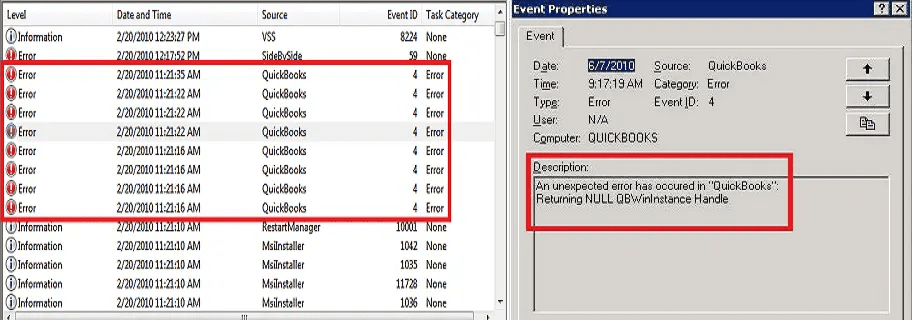
QuickBooks Desktop Event ID Log Error 4 generally appears in the Windows Event Log when QuickBooks fails to execute properly due to flaws in system components. It typically occurs when QBWinInstance returns null instead of expected output, disrupting normal operations.

This error is closely linked to issues with the .NET Framework, damaged or corrupted QBW company files, incomplete QuickBooks installation, or even virus infections. Since QuickBooks relies heavily on Windows components for smooth functioning, any malfunction in these elements can trigger Event ID 4.

Elements can trigger Event ID 4

Users often experience symptoms such as frequent crashes, sluggish performance, freezing, or QuickBooks not responding to commands. The error message “QuickBooks Event ID 4” may appear repeatedly until the underlying cause is addressed.

Causes of QuickBooks Event ID 4

1. Damaged, Incomplete or Outdated QuickBooks Installation

  • Incomplete installation. Incorrect or incomplete installation of QuickBooks Desktop gives rise to this error.
  • Damaged QuickBooks functions. Damaged QuickBooks Desktop functions can cause Event ID 4 errors.
  • Deleted QuickBooks files. Accidental deletion of important QuickBooks-related files is a listed cause.
  • Virus infection. The same source lists a virus infection as a cause.
  • Outdated software. One guide lists outdated software among the typical causes.

2. Microsoft .NET Framework Problems

  • .NET Framework 4.0 SP1 on Windows 7. A problem in .NET Framework 4.0 SP1 is cited as responsible for the error.
  • Damaged or incompatible .NET Framework. Event ID 4 errors can occur from an incompatible or damaged Microsoft .NET Framework.
  • Integration Manager conflict. Conflicts between QuickBooks Integration Manager and .NET Framework 4.0 or earlier cause the error.

3. Damaged QuickBooks Company File

  • Damaged or corrupted .QBW file. A damaged company file produces many error messages in the Windows event log.

4. Windows Registry and System Component Damage

  • Windows registry errors. Inconsistent, corrupted or incorrect registry entries are linked to the error.
  • Malfunctioning Windows components. Guides list malfunctioning Windows components among the triggers.

5. QuickBooks Database Service Failure

  • Service fails to start or crashes. The error appears in Windows Event Viewer when the QuickBooks Database Manager Service fails to start or crashes.

6. Security Software Interference

  • Antivirus blocks the service. Antivirus software may treat QuickBooks as a threat and block its communication with the QuickBooksDBXX service.
  • Antivirus or firewall restrictions. Guides list antivirus and firewall software among the factors to check.

7. Moving or Installing QuickBooks on a New System

  • Move to a new computer. Moving QuickBooks to a new computer can produce many Event ID 4 errors.
  • Install on Windows Server. The same source reports the same result after installing QuickBooks on Windows Server.

8. Several Conditions or Contexts Overlap

  • Multiple listed causes. One guide combines Windows components, corrupted QuickBooks files, incomplete installation, .NET issues, registry errors and deleted files as triggers.
  • Two contexts for one ID. The error arises during launch of QuickBooks Integration Manager. A separate guide links it to the Database Manager Service.
  • Event ID 4 is not Event ID 1026. Both may accompany a QuickBooks crash, but they are different Windows events.

 Prerequisites Before Fixing Event ID Log Error 4

  • Ensure you are logged in as an Administrator on your system.
  • Verify that your Windows operating system is updated with the latest patches.
  • Close all QuickBooks background processes before running diagnostic tools.
  • Keep a backup of your QuickBooks company files to avoid data loss during troubleshooting.
  • Confirm that your system has a stable internet connection and sufficient disk space.

Quick Overview of Troubleshooting Steps

The tabular presentation shows the quick overview of all the steps along with the estimated timeline:

StepActionDescriptionEstimated Time
1Log in as AdministratorRestart your computer and log in with Administrator rights to ensure full access for system changes.2–3 minutes
2Restart QuickBooks and WindowsClose QuickBooks completely, reboot your system, and reopen QuickBooks to clear temporary glitches.5 minutes
3Update QuickBooksVisit the official QuickBooks website and install all pending updates to ensure compatibility with Windows components.10–15 minutes (depending on update size)
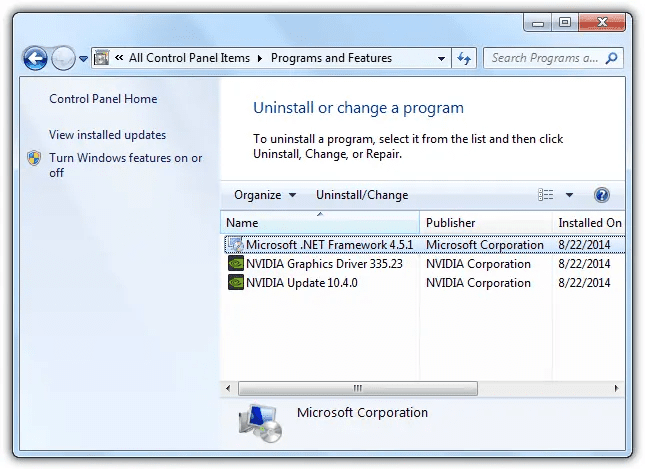
4Repair .NET FrameworkOpen Control Panel → Programs and Features → uninstall Microsoft .NET Framework. Restart your computer, then reinstall .NET Framework 3.5 via Windows Features.20–30 minutes
5Check Windows ComponentsVerify that supporting components like Visual C++ Redistributables are installed and updated.10 minutes
6Run QuickBooks Clean Install ToolDownload the tool from Intuit’s site, close all QuickBooks background processes, run the tool, and reinstall QuickBooks in a clean environment.30–40 minutes
7Scan for Malware or VirusesPerform a full system scan to ensure company files are not corrupted or infected.30–60 minutes (depending on system size)
8Check Registry/System IntegrityIf the error persists, consult IT support to repair deeper Windows registry or system file issues.Variable (depends on IT intervention)

Detailed Explanation of Troubleshooting Steps

Beginner Level – Basic Checks

  1. Log in as Administrator  

Always start by logging into Windows with Administrator rights to ensure you can make system changes.

  1. Restart QuickBooks and Windows  

A simple restart often clears temporary glitches. Close QuickBooks completely, reboot your system, and try reopening the application.

  1. Update QuickBooks  

Visit the official QuickBooks website and install any pending updates. Running the latest version reduces compatibility issues with Windows components.

Intermediate Level – Component Repair

  1. Repair .NET Framework
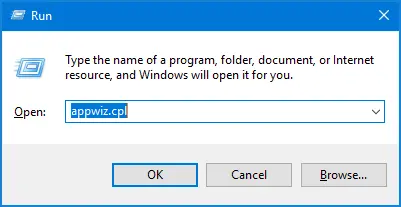
    • Press Windows + R, type Control Panel, and hit Enter.
    • Go to Add/Remove Programs or Programs and Features.
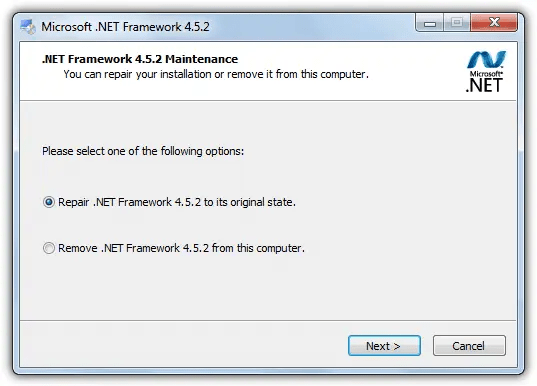
    • Locate Microsoft .NET Framework and uninstall it.
    • Restart your computer.
    • Reinstall .NET Framework 3.5 via Windows Features. This restores essential components required by QuickBooks.
Reinstall .NET Framework 3.5
Microsoft .NET Framework

      5. Check Windows Components  

Ensure other supporting components (like Visual C++ Redistributables) are updated. Missing or outdated files can trigger Event ID 4 errors.
Advanced Level – Clean Installation

  1. Run QuickBooks Clean Install Tool
    • Download the tool from Intuit’s official site.
    • Close all QuickBooks background processes using Task Manager.
    • Run the Clean Install Tool to remove corrupted installation files.
    • Reinstall QuickBooks Desktop in a clean environment.
Reinstall QuickBooks Desktop in a clean environment

      7. Scan for Malware or Viruses  

Perform a full system scan to ensure company files are not infected. Malware can corrupt QuickBooks data and trigger Event ID 4.

       8. Check Registry and System Integrity  

If the error persists, deeper issues may exist in the Windows registry or system files. In such cases, consult IT support to repair system integrity.

Notes

  • Always restart your system after uninstalling or reinstalling components.
  • Ensure QuickBooks is updated to the latest version before testing.
  • Close all background QuickBooks processes before running diagnostic to

Recurrence Accuracy

  • Event ID 4 is often tied to Windows component issues, so recurrence depends on system stability.
  • If .NET Framework or QuickBooks installation remains corrupted, the error may reappear frequently.
  • Once repaired correctly (via reinstalling .NET Framework and performing a clean QuickBooks install), recurrence is rare.
  • Preventive maintenance keeping QuickBooks and Windows updated significantly reduces the chance of the error returning.

Prevention of Event ID 4 Error

  • Regularly update QuickBooks Desktop to the latest release.
  • Keep Windows components (.NET Framework, Visual C++ Redistributables) updated.
  • Use QuickBooks Tool Hub periodically to run diagnostic checks.
  • Perform routine system scans to remove malware or viruses.
  • Always complete QuickBooks installation using the official setup file and avoid interruptions during installation.
  • Maintain proper backups of company files to prevent corruption.

Conclusion:

QuickBooks Event ID 4 is a recurring error that signals deeper issues in the Windows environment or QuickBooks installation. It is most often tied to .NET Framework corruption, damaged company files, incomplete installation, or malware interference.By following a layered troubleshooting approach—starting with basic checks (restart, updates), moving to component repair (.NET, Visual C++), and escalating to advanced solutions (Clean Install Tool, malware scans, registry repair)—technicians can systematically isolate and resolve the root cause.