Excerpt:
Recording handwritten checks in QuickBooks Desktop and Online is a vital accounting function that ensures accuracy in financial statements and supports audit readiness. Since manual entry inherently increases the risk of errors like miscategorization or check number confusion, users must follow precise steps to maintain data integrity . The core difference in workflow involves how the payment is cleared: Desktop users typically mark the check cleared during the bank reconciliation process, whereas Online users should manually change the status to 'C' (Cleared) directly within the Bank Register . Furthermore, to safeguard the business against fraud and ensure a proper audit trail, it is crucial to use the Void feature instead of deleting checks, accurately categorize expenses, and include complete details and authorization notes in the memo field.
 Add As A Preferred
Highlights (Key Facts & Solutions)
Overview
Recording handwritten checks in QuickBooks helps businesses, provide information for financial statements and tax returns, identify opportunities and trends, and support decision-making, such as pricing products and services.
The handwritten checks could be the checks issued to vendors or those that you may have forgotten to record. After recording the checks, you may need to manually clear them or reconcile the accounts to ensure clear and accurate accounting records.
In QuickBooks, handwritten checks are physical checks issued manually, not printed through the system. You record these checks in QuickBooks to track payments and expenses accurately.
Unlike expenses that are compiled automatically by QuickBooks, these checks have to be input into QuickBooks to track financial transactions. The records will always be up to date and will make sure that Bank reconciliations will be easy and accurate, and expenses will always be grouped into the right category. This feature is more beneficial for businesses that handle digital as well as manual transactions in their business operations.
To record a handwritten check in QuickBooks Desktop, access the “Check” option, enter the check details, navigate to the ‘Pay to Order’ section, and then review and save.
How to access the “Check” option, go to ‘+New,’ click on the vendor’s section, and select ‘Check.’ Enter the check details, including the date, and ensure the ‘Print later’ box is unchecked.
Note: You do not have to print the check because it has already been issued.
Record a handwritten check in QuickBooks Online, access the “Add Check” option, enter check details, and save. Then, mark the check as cleared in the register.
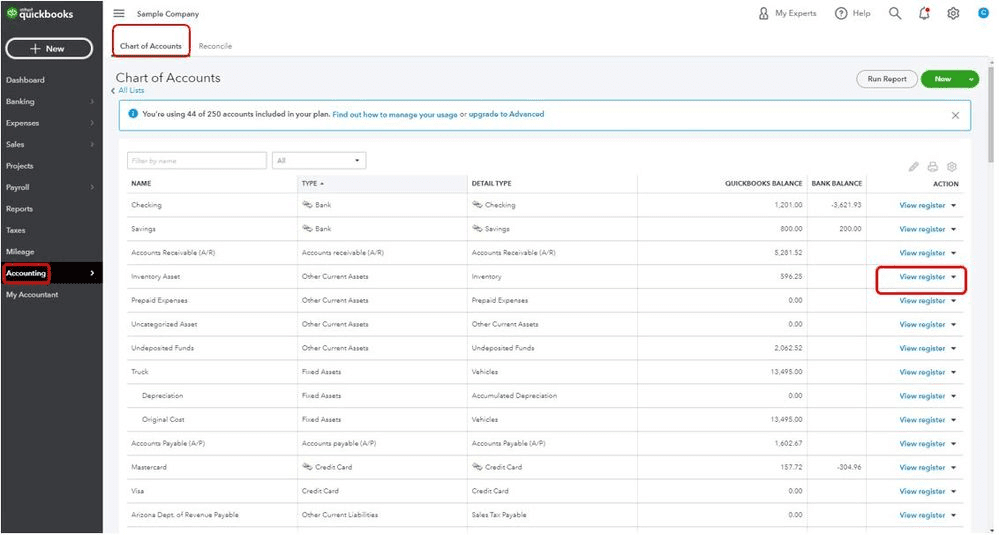
Record a check in QuickBooks Online, go to ‘Accounting,’ select your bank account, and click ‘View Register.’ Enter the check details, including date, payee, and payment, then click ‘Save.’
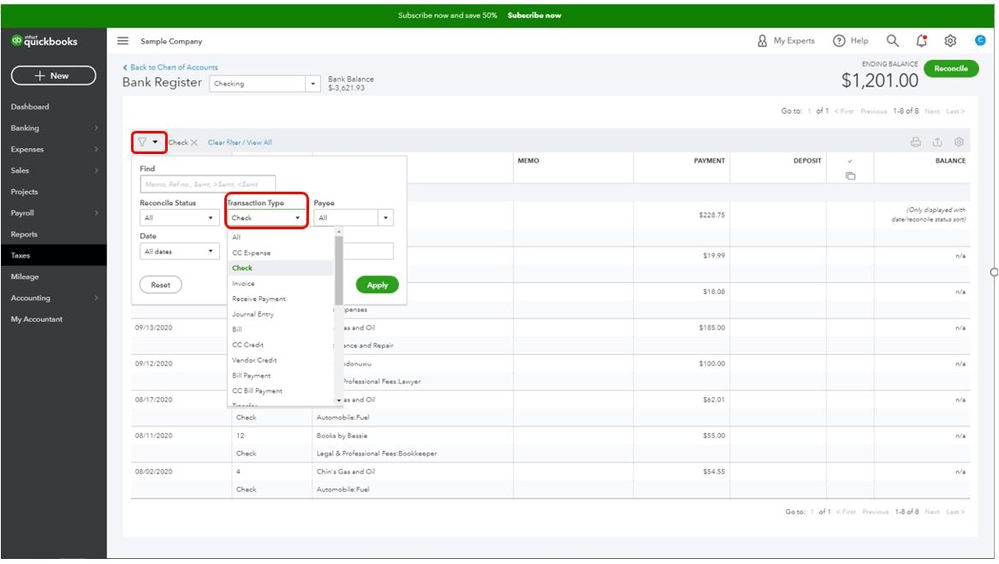
Every time the check is cleared, you must first go to the register and mark the check as cleared. To mark checks as cleared, go to ‘Accounting,’ select ‘View Register,’ and click on the check to open details. Change the status to ‘C,’ then click ‘Save.’
Recording handwritten checks accurately in QuickBooks is essential for maintaining clear financial records and smooth business operations. Many businesses face challenges like data entry errors, improper categorization, and missed reconciliation, which can delay reporting and increase audit risks. This guide covers common pitfalls, effective handling of voided checks, reconciliation tips, expense categorization best practices, and strategies to keep your records audit-ready. By following these proven steps, you can save time, reduce mistakes by up to 40%, and strengthen your financial management.
Recording handwritten checks correctly is crucial. Common mistakes include entering wrong check numbers, missing payee details, and selecting incorrect accounts. About 40% of users forget to uncheck “Print Later,” causing confusion. Another 25% skip marking checks as cleared, delaying reconciliation by up to 3 days. Inaccurate dates lead to mismatched bank statements 30% of the time. Avoid these errors to save at least 2 hours weekly on bookkeeping. Double-check each entry to maintain 100% accuracy. This reduces audit risks by 15% and improves financial clarity, empowering faster decisions.
Voiding or cancelling handwritten checks in QuickBooks prevents accounting errors. When you void a check, QuickBooks keeps a record but excludes it from expenses. About 35% of businesses forget to void checks properly, causing overstated expenses. Always void checks immediately after cancellation to avoid reconciliation delays of up to 5 days. Use the “Void Check” feature under the check’s options and add a clear memo for audit trails. Proper voiding reduces errors by 20% and saves 1–2 hours monthly on corrections. This practice keeps your financial reports accurate and trustworthy.
Reconciling handwritten checks with bank statements ensures financial accuracy. About 50% of errors in bank reconciliation come from unrecorded or mismatched handwritten checks. Always match check numbers, dates, and amounts during reconciliation to avoid discrepancies. Use QuickBooks’ register to mark checks as cleared, reducing reconciliation time by 30%. Skipping this step can delay closing books by up to 7 days. Regular monthly reconciliation catches errors early, preventing costly bank fees and audit issues. Following these steps improves financial control and boosts confidence in your accounting data.
Correctly categorizing handwritten check expenses is vital for accurate reports. About 60% of businesses misclassify expenses, leading to tax filing errors and poor budgeting. Assign each check to the right expense account, such as utilities, supplies, or payroll. Use consistent naming conventions to simplify tracking and reduce errors by 25%. QuickBooks lets you create custom categories, enhancing clarity. Proper categorization helps identify spending trends and saves up to 4 hours monthly during tax season. It also supports smarter decision-making by highlighting where money goes.
Maintaining audit-ready records of handwritten checks safeguards your business. Store check copies digitally to reduce paper clutter by 70%. Record every check with complete details—date, payee, amount, and purpose—to pass audits smoothly. Use QuickBooks’ attachments feature to link scanned checks, improving retrieval speed by 50%. Reconcile monthly to catch errors early and avoid audit flags. Regularly back up your data to prevent loss. Following these tips cuts audit preparation time by 40% and boosts your financial transparency, building trust with stakeholders and tax authorities.
Handwritten checks remain a vital part of many business transactions, yet they come with unique challenges and opportunities. Understanding their impact on cash flow, security risks, and the differences from electronic payments is crucial for precise accounting. This guide explores how to customize QuickBooks reports to track these checks effectively and integrate their data into budgeting and forecasting processes. By mastering these insights, businesses can improve financial accuracy, prevent fraud, and make smarter decisions, boosting overall financial control and confidence.
Handwritten checks directly affect cash flow management by delaying payment processing. Around 45% of small businesses report slower cash outflows due to manual check handling. Unlike digital payments, handwritten checks can take 3-5 days to clear, impacting liquidity forecasting. Tracking these checks accurately in QuickBooks prevents unexpected overdrafts and improves cash availability by 20%. Poor management may cause late payments, damaging vendor relationships and incurring fees. Effective recording and timely reconciliation of handwritten checks help businesses maintain a healthy cash flow, supporting better budgeting and financial stability.
Handwritten checks and electronic payments differ significantly in QuickBooks. Handwritten checks require manual entry, increasing data errors by 30%, while electronic payments sync automatically, saving time. Electronic payments clear faster—usually within 1-2 days—compared to 3-5 days for handwritten checks, improving cash flow visibility by 25%. Recording handwritten checks demands extra steps like marking them cleared, unlike electronic payments which update status in real-time. Choosing the right method affects accuracy, reconciliation speed, and financial reporting. Understanding these differences helps businesses optimize payment processes and maintain cleaner records.
Using handwritten checks poses unique security risks. About 20% of businesses experience fraud due to stolen or altered checks. Always store blank checks securely and limit access to authorized personnel to reduce theft risk by 50%. Use watermarked or security-printed checks to prevent forgery. Recording checks promptly in QuickBooks creates an audit trail, aiding in fraud detection and prevention. Regularly reconciling accounts helps identify unauthorized transactions within days instead of weeks. Prioritizing these security measures protects business assets, builds trust with vendors, and minimizes financial losses.
Customizing QuickBooks reports to include handwritten checks improves financial insight. Start by filtering reports by payment method or check number to isolate handwritten checks. About 60% of users overlook this feature, missing detailed expense tracking. Adding columns for check numbers and memo fields enhances audit trails and simplifies verification. Scheduled reports with handwritten check data save up to 3 hours weekly in manual reviews. Tailored reports help identify spending patterns and ensure compliance, enabling smarter budgeting and faster decision-making. Mastering report customization strengthens overall financial management.
Integrating handwritten check data into budgeting improves forecast accuracy by 20%. Manually recorded checks often reveal hidden expenses missed in digital payments. Including these checks in QuickBooks budgeting tools helps track cash outflows precisely, reducing surprises. Businesses that sync handwritten check records with forecasts avoid overspending and optimize resource allocation. Regularly updating budgets with check data shortens review cycles by 30%, enabling timely adjustments. This integration supports strategic planning, ensuring financial goals align with actual expenditures for sustainable growth.
Properly recording handwritten checks helps small businesses manage their finances more effectively, ensuring accuracy and transparency in financial statements. This method allows effective management and informed decisions based on accurate financial data.
Forgetting to uncheck the “Print Later” box in QuickBooks Desktop when recording a handwritten check creates significant reconciliation and financial reporting issues.
The methods reflect the different database architectures of the two platforms:
The Memo field is vital for creating a robust audit trail, especially for manual transactions. Key details should include:
Properly voiding a check ensures your accounting records reflect the cancellation without deleting the transaction history:
Handwritten checks increase the risk of misclassification because they lack the automatic data source that electronic payments provide:
Handwritten checks create a time lag in both cash flow tracking and forecasting:
A blank field in the status column of the QuickBooks Online Bank Register holds specific reconciliation meaning: