+1-802-778-9005

Resolve Unrecoverable Error in QuickBooks Desktop Without Data Loss: 11 Methods

First 60 Seconds: Quick Triage

Quick answer: Before you do anything else, check these 3 things — they decide which solution you need.

  • Do you have a recent backup of your company file? If not, make one now (even a manual copy of the .QBW file).
  • Is the error happening to only one user, or to everyone who opens the file?
  • Write down the exact 10-digit error code (format: XXXXX XXXXX) — it tells you which component failed.

Quick Answer

A QuickBooks Unrecoverable Error is a critical application error that occurs when QuickBooks unexpectedly stops while opening, saving, or accessing a company file. The issue may be caused by damaged company data, corrupted Windows components, user profile conflicts, or incomplete QuickBooks installation files. Start by running Quick Fix My Program, then determine whether the problem is related to your company file or the Windows environment before attempting advanced repairs.

Highlights (Key Facts & Solutions)

  • Error Type: Critical QuickBooks application crash with a unique 10-digit error code (for example, 20888 41171).
  • Most Common Causes: Damaged company file, corrupted Windows components, incomplete QuickBooks installation, or user profile issues.
  • First Solution: Run Quick Fix My Program from QuickBooks Tool Hub.
  • Quick Workaround: Open QuickBooks while holding the ALT key to bypass damaged desktop settings.
  • Diagnosis: Test a Sample Company File to identify whether the problem is with the company file or the QuickBooks installation.
  • Advanced Repair: Run the QuickBooks Component Repair Tool to repair Microsoft .NET Framework, Visual C++, and MSXML components.
  • Data Integrity Check: Run Verify Data followed by Rebuild Data after creating a backup.
  • Final Option: Perform a Clean Install of QuickBooks using the Clean Install Tool if all other methods fail.
  • Prevention Tips: Keep QuickBooks updated, run Verify/Rebuild regularly, maintain Windows updates, and always create backups before major changes.

Is This Really an Unrecoverable Error, or Something Else?

What You SeeWhat It Actually IsWhere to Look
A 10-digit code like “20888 41171” and QuickBooks closes immediatelyUnrecoverable Error (this guide)Continue below
“QuickBooks has stopped working” (a Windows dialog, no 10-digit code)Windows application crash, not QB-specificWindows Event Viewer → Application log
A code like H202, 6000-series, or -6150Multi-user / network / hosting errorQuickBooks Database Server Manager settings
Error during payroll update onlyPayroll-specific error (PS0xx, 15xxx)Payroll update troubleshooting, not this guide

Common Symptoms of the Unrecoverable Error

  • QuickBooks closes suddenly without warning, often mid-task.
  • You cannot open the company file at all, even after restarting.
  • The crash happens specifically while printing, saving, or generating reports.
  • QuickBooks says it “needs to restart to complete the operation.”
  • The same error code reappears every time you repeat a specific action.

Complete Diagnostic Decision Tree

Follow this tree step by step. Each answer points you to the next question or straight to a solution.

Step 1 — Can QuickBooks Desktop open at all, without opening a company file?

  • No → The problem is with your QuickBooks installation or Windows components. Go to Solution 2 (Component Repair Tool).
  • Yes → Continue to Step 2.

Step 2 — Can a Sample Company File open normally?

  • No → The problem is with QuickBooks itself or the Windows environment. Go to Solution 2, then Solution 11 (Clean Install).
  • Yes → The problem is with your original company file, user, or folder. Continue to Step 3.

Step 3 — Does the problem affect only one Windows user?

  • Yes → Test with a new Windows administrator account (Solution 5).
  • No → Continue to Step 4.

Step 4 — Does the error occur only with one specific company file?

  • Yes → Investigate that company file’s integrity (Step 5).
  • No → Investigate the QuickBooks installation/environment (Solution 2 or 11).

Step 5 — Does Verify Data report damage?

  • Yes → Back up, then Rebuild Data (Solution 9).
  • No → Continue with program/profile/network troubleshooting (Multi-User Deep-Dive section).

Company File vs. QuickBooks Program vs. Windows Profile

Use this table alongside the decision tree above to quickly identify where the problem lives.

What HappensMost Likely AreaFirst Test
QuickBooks itself will not openProgram / WindowsQuick Fix My Program
QuickBooks opens but one company file crashesCompany fileSample company test
Sample company opens normallyOriginal company file / user / folderTest the original file directly
Sample company also crashesProgram / environmentComponent Repair Tool
Only one Windows user is affectedWindows profileTest with another administrator account
All users are affectedShared file / program / networkContinue broader diagnosis
Verify Data reports errorsCompany fileBackup, then Rebuild Data
Only multi-user access triggers the errorNetwork / hostingCheck Database Server Manager

Which Error Code Do You Have? (Expanded Lookup Table)

Match your code below, then jump to the relevant solution.

Error Code (example)Common TriggerMost Likely CauseJump To
20888 41171Saving transactionsDamaged company file / folderSolution 6
00551 46274Emailing forms / loginCorrupted user profile settingsSolution 5
18302 50142After a QB/Windows updateDamaged Microsoft components (.NET/C++)Solution 2
19740 43064Opening company fileData integrity issue (possible cause)Solution 9
00227 55008Startup or savingWindows component corruption (possible cause)Solution 2
00000 14775Affects one user onlyUser profile corruptionSolution 5
13730 84631After a QuickBooks updateDamaged QuickBooks componentsSolution 10
19062 00238Startup or importDamaged company file (possible cause)Solution 9
00000 41953Importing accountant’s changesAccountant copy merge failureAccountant Import section
00000 43109Importing .QBY fileImport conflictAccountant Import section
02457 79428Printing reportsPDF component conflict (possible cause)Reconciliation section
04457 54787ReconciliationAdobe Reader issueReconciliation section
01565 73431Multi-user modeHosting configuration issueNetwork Deep-Dive
05062 39228StartupRegistry corruption (possible cause)Solution 11
19070 00208Company file accessFolder permission issueSolution 7
15106 00000Updating QuickBooksSecurity software conflict (possible cause)Solution 10
Occurs only on one workstationWindows profile/permissions issueSolution 5
Occurs during backup/rebuild onlyCompany file data corruptionSolution 9

Note: where a cause could not be reliably confirmed for a specific code, it is labeled a possible cause rather than a confirmed one.

Top 5 Codes: What To Actually Do

CodeTriggerFirst TestRecommended ActionEscalate If
20888 41171Saving transactionsOpen a sample fileMove file to new folder (Solution 7), then Verify/RebuildRebuild fails twice
00551 46274Login / emailingTest another Windows userCreate new admin account (Solution 5)New profile also fails
18302 50142After an updateCheck Control Panel for missing frameworksRun Component Repair Tool (Solution 2)Repair tool reports failures
19740 43064Opening company fileVerify DataBackup, then Rebuild Data (Solution 9)Verify still fails after rebuild
00000 41953Accountant importRetry import (Continue Import)Recreate Accountant’s Copy change fileRepeated merge failures

Quick Diagnostic Checklist (Short Version)

  1. Error appears right after opening QuickBooks → Start with Solution 1.
  2. Error appears only with one specific company file → Skip to Solution 6.
  3. Error appears only for one Windows user, not others → Go to Solution 5.
  4. Error appears during Verify/Rebuild, backup, or reconciliation → Go to Solution 9.
  5. Error appears right after a Windows or QuickBooks update → Go to Solution 2, then Solution 10.
  6. Nothing above worked → Solution 11 (Clean Install) as the final step.

What Is a QuickBooks Unrecoverable Error?

It’s a fatal internal crash where QuickBooks Desktop cannot complete a process and shuts down, showing a 10-digit code in the format “20888 41171” (note the space after the first five digits). It most often appears while opening or closing a company file, or when clicking Save, Print, or Send.
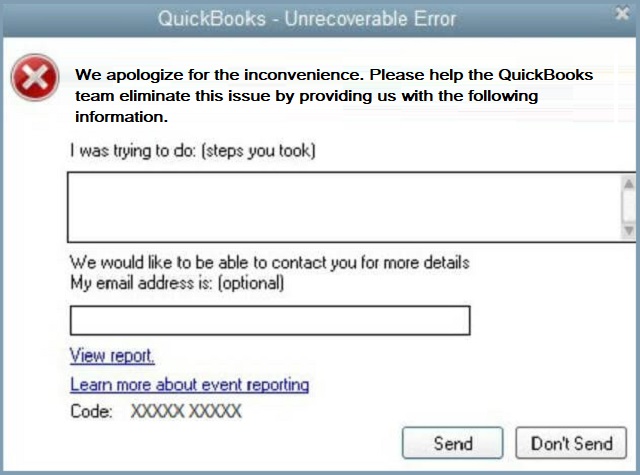
QuickBooks unrecoverable error message

What Are the Root Causes Behind the QuickBooks Desktop Unrecoverable Error?

  • Missing Windows or QuickBooks updates
  • Damaged QuickBooks program components (.NET, MSXML, Visual C++)
  • Company file data corruption
  • Damaged or permission-restricted Windows user profile
  • Unstable network connection during multi-user access
  • WDDM (Windows Display Driver Model) service conflicts
  • Damaged CefSharp / Chromium Embedded Framework components (QuickBooks’ web-rendering layer)
  • Low system resources or insufficient disk space
  • Conflicts with third-party applications or cloud-sync tools (Dropbox, OneDrive syncing the company file folder)
  • Antivirus or firewall software blocking or quarantining QuickBooks processes
  • Outdated Adobe Reader conflicting with QuickBooks’ PDF generation

How to Tell If the Company File Is Damaged

Signs of possible company file damage

  • Only one company file causes the crash.
  • A sample company file opens normally.
  • Verify Data reports errors.
  • The crash happens repeatedly during a particular transaction, report, or process.
  • Multiple users experience the issue with the same company file.

Signs the company file may NOT be the problem

  • QuickBooks crashes before a company file is even selected.
  • Sample company files also fail to open.
  • Only one Windows user experiences the problem.
  • Multiple different company files fail in the same QuickBooks installation.

What NOT to Do

⚠ Troubleshooting should always begin with protecting your data, not repairing it.

  • Don’t run Rebuild Data without first protecting the company file with a backup.
  • Don’t overwrite your only backup.
  • Don’t randomly delete .QBW, .TLG, or .ND files.
  • Don’t repeatedly modify the original company file while troubleshooting.
  • Don’t perform multiple repair procedures at the same time.
  • Don’t replace the original company file with a recovered copy before verifying the recovered copy works.
  • Don’t keep other users connected to the company file during major repair operations.
  • Don’t move or rename company files without first preserving a safe copy.

Before Troubleshooting: Protect Your Company File

  1. Create or locate a recent backup.
  2. Confirm the backup actually exists and can be opened.
  3. Preserve the original company file — don’t edit it directly during diagnosis.
  4. Keep a separate copy before any major repair operation.
  5. Don’t overwrite the original file with a recovered version until the recovered version has been tested.
  6. After recovery, verify that important transactions and lists are present before resuming normal use.

Example Troubleshooting Scenario: Error 20888 41171

This is an illustrative scenario based on a typical case pattern, structured to show the diagnostic process end to end — not a specific customer file.

SymptomsTestsFindingsActionResultLesson
QuickBooks crashed immediately with “Unrecoverable Error 20888 41171” when opening the company file — but only on one workstation. A coworker on another PC could open the same file without issue.Quick Fix My Program was run first (about 4 minutes) — the error persisted. A sample company file was then opened, which loaded normally.Because the sample file opened fine, the company file itself was ruled out as the cause. Because the error was isolated to one workstation, a damaged Windows user profile became the leading suspect.A new Windows administrator account was created, and QuickBooks was reopened from that account.QuickBooks opened the original company file without error. No data was lost, since the company file itself had never been damaged.When an error is isolated to a single workstation, test the Windows profile before assuming the company file is damaged — it saves time and avoids unnecessary data-repair steps.

11 Practical Solutions for Unrecoverable Error in QuickBooks Desktop

Each solution below includes a Difficulty/Risk/Backup/Time summary so you know what you’re getting into before you start.

Solution 1: Use Quick Fix My Program (QuickBooks Tool Hub)

DifficultyRiskBackupBest forTime
EasyLowNoFirst crash after launching QuickBooks2–5 minutes

Quick answer: Closes stuck background QuickBooks processes and repairs small program-level damage — non-destructive, try this first.

The Quick Fix My Program tool—part of Intuit’s official QuickBooks Tool Hub suite—is designed to close any background QuickBooks processes (like QBW32.exe) that may be stuck, reset temporary cache files, and repair small program-level corruptions that prevent QuickBooks from opening or performing properly.

When to Use:

Use this method first if:

  • QuickBooks crashes immediately after launching.
  • You receive an “Unrecoverable Error XXXXX XXXXX” dialog during login or company file load.
  • Multiple QuickBooks windows freeze or fail to close properly.

This method is ideal for non-destructive repair, meaning it doesn’t alter your company data or registry configuration.

Step-by-Step Process:

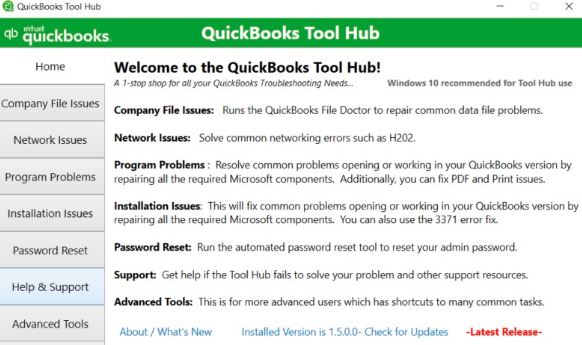
Step 1: Download and Install the Latest QuickBooks Tool Hub

Download and install the latest QuickBooks Tool Hub
  • Once downloaded, open the installer and follow the on-screen prompts to complete installation.
  • After installation, double-click the QuickBooks Tool Hub icon on your desktop to launch it.

Note: If you already have the Tool Hub installed, open it and check the version in the Home tab (bottom-right corner). Update if necessary.

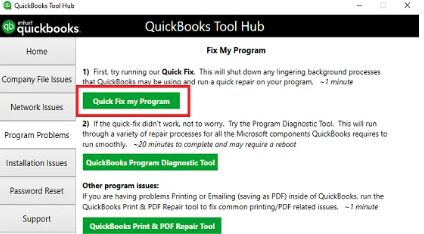
Step 2: Run Quick Fix My Program

Click on Quick Fix My Program
  • The tool will automatically:
    • Terminate all running QuickBooks processes.
    • Clear temporary program cache data.
    • Repair small installation or configuration-level damages.
  • Wait for the process to complete (usually 2–5 minutes, depending on system performance).

Step 3: Restart the Computer

After the repair process, restart your PC to apply changes to system memory and release any locked resources used by QuickBooks background services.

Step 4: Relaunch QuickBooks

  • Open QuickBooks Desktop as an administrator.
  • If prompted, select your company file.
  • Log in normally and observe the system behavior.

If QuickBooks opens without freezing or showing the Unrecoverable Error, it indicates that corrupted session files or blocked processes were successfully repaired.

Solution 2: Run QuickBooks Component Repair Tool

DifficultyRiskBackupBest forTime
ModerateLowNoError started right after a Windows/QuickBooks update15–30 minutes

Quick answer: Fixes damaged Microsoft dependencies (.NET Framework, MSXML, Visual C++ Redistributables) that QuickBooks needs to run. Use this if Solution 1 didn’t help, or the error started right after a Windows/QuickBooks update.

When to Use This Method:

Apply this method if:

  • The Unrecoverable Error persists after using Quick Fix My Program.
  • You see errors during installation like “Error 1603” or “Error 1904.”
  • QuickBooks opens but crashes when performing data-heavy tasks such as importing, reporting, or reconciling.
  • System logs show missing .dll or .exe dependencies related to Microsoft frameworks.

How the Tool Works:

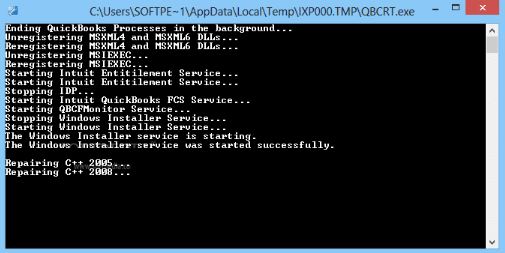
The Component Repair Tool is designed to:

  • Repair and re-register missing or broken Microsoft runtime libraries.
  • Reset .NET Framework configurations to default stable states.
  • Reinstall the damaged MSXML (XML Core Services) required for QuickBooks’ communication layer.
  • Rebuild Microsoft Visual C++ Redistributables, which manage core executable operations.

Essentially, it bridges the gap between QuickBooks and Windows—restoring the environment that QuickBooks depends on to function reliably.

Step 1: Download the Component Repair Tool

  • Visit Intuit’s official support website or QuickBooks’ tool download page.
  • Download the QuickBooks Component Repair Tool (latest version).
    • File name: QBInstallTool_v2.exe
    • File size: ~370MB (includes embedded Microsoft repair scripts).
Download the QuickBooks Component Repair Tool
  • Save the file to your desktop or an easily accessible location.

Step 2: Run the Tool as Administrator

  • Right-click the downloaded file and select Run as Administrator.
  • Allow the tool to initialize. It will automatically begin diagnosing and repairing the following components:
    • Microsoft .NET Framework 4.x
    • Microsoft MSXML 4.0 and 6.0
    • Microsoft Visual C++ Redistributables (2012–2022)
  • The process may take 15–30 minutes, depending on your system’s configuration.

During the scan, your system may appear unresponsive—do not interrupt it. The tool runs multiple internal repair scripts sequentially.

Step 3: Reboot the System

Once the repair is complete, the tool will prompt you to restart your computer.
This ensures all dependency changes are applied, services are reloaded, and the repaired components are re-registered in Windows.

Step 4: Verification and Post-Repair Validation

After rebooting, confirm that all repaired frameworks are functioning correctly:

A. Verify via Control Panel:

  • Open Control Panel → Programs → Programs and Features.
  • Confirm the presence of:
    • Microsoft .NET Framework (4.8 or higher)
    • Microsoft Visual C++ Redistributables (multiple versions from 2012–2022)
    • Microsoft MSXML 4.0 and 6.0
  • Ensure all versions show as installed (no “missing” or “damaged” entries).

B. Verify via QuickBooks Launch Test:

  • If QuickBooks opens normally and performs file operations without freezing or crashing, the repair was successful.
  • Open QuickBooks Desktop.
  • Access your company file or create a new test file.

Solution 3: Close QuickBooks and Background Processes Properly

DifficultyRiskBackupBest forTime
EasyLowNoPreventing the next crash after a repair2 minutes

Quick answer: Leftover background processes can trigger the next crash. Always exit fully before reopening.

Steps:
  1. Exit QuickBooks Safely:
  • Press on the X at the top right corner of the screen, or select it by going to File, then closing the company, and then selecting Exit.
  • Alternatively:
  • Press the Window at the top right corner of the application, then click Close All, go to File > Close Company/Log Off, and finally, Exit.
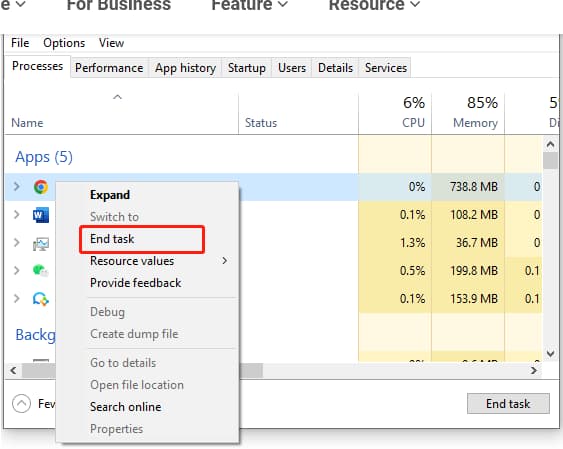
  1. End Background Processes:
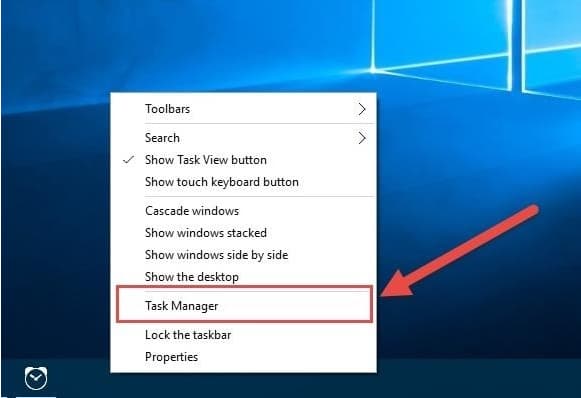
  • Type Ctrl + Alt + Delete on your keyboard to open Task Manager.
Type Ctrl + Alt + Delete on your keyboard to open Task Manager
  • Under the Processes tab, right-click on every process associated with QuickBooks and click on End Task.
QuickBooks and click on End Task

Solution 4: Open QuickBooks with All Windows Closed (ALT Key Method)

DifficultyRiskBackupBest forTime
EasyLow NoCrash right after opening the fileUnder 5 minutes

Quick answer: Holding ALT while opening the file skips loading your saved desktop layout and last-used transaction windows — both common crash triggers.

  • Open QuickBooks Desktop.
  • In the No Company Open window, you should click on your company file.
  • Use ALT and right click, and then choose Open.
  • If you are asked for a login and password, press ALT, type in your data, press ALT once again, and click OK.

Solution 5: Create a New Windows Administrator Account

DifficultyRiskBackupBest forTime
ModerateLowNoError affects only one Windows user/PC10–20 minutes

Quick answer: Use this only if the error happens for one Windows user but not others, or only on one PC. It rules out a corrupted user profile/registry.

QuickBooks requires administrative-level access to install updates, read/write company files, and register essential Microsoft dependencies like .NET Framework and MSXML.

When a Windows user profile becomes damaged, lacks permissions, or contains corrupt registry paths, QuickBooks may fail to load its internal processes (e.g., QBW32.exe or QBDBMgrN.exe), resulting in fatal “Unrecoverable Error XXXXX XXXXX” messages.

Each Windows profile maintains its own user registry hive (NTUSER.DAT), environment variables, and file permission settings.
If this profile becomes corrupted or misconfigured:

  • QuickBooks cannot access system directories (e.g., C:\ProgramData\Intuit or C:\Users\[Name]\AppData).
  • Required components like QuickBooks Database Manager or Intuit Sync Manager fail to start.
  • Background services lose the necessary administrative privileges to function.

By creating a new administrator account, you effectively generate a clean user environment — restoring permission inheritance, registry integrity, and stable execution privileges for QuickBooks.

When to Use This Method:

Use this approach when you experience any of the following:

  • QuickBooks fails to open or crashes only under one Windows user profile.
  • The same company file works fine on another PC or under another Windows account.
  • You recently upgraded Windows or changed user permissions.
  • Other software also shows “access denied” or “insufficient permissions” errors.

Step 1: Open Windows Account Settings

Depending on your version of Windows, follow the appropriate steps below:

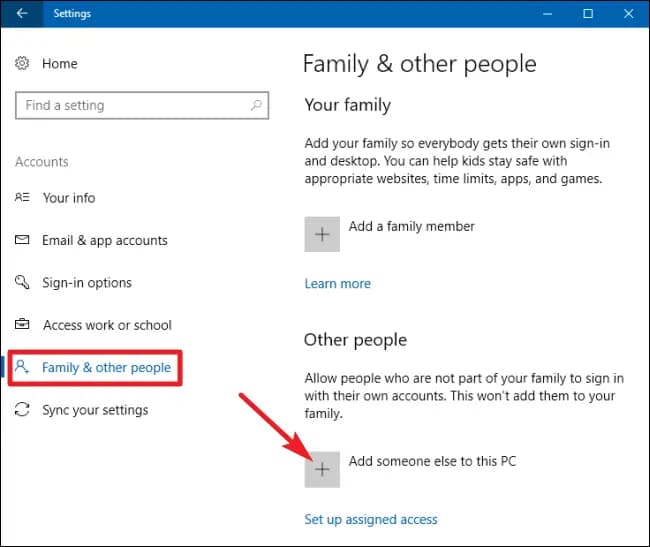
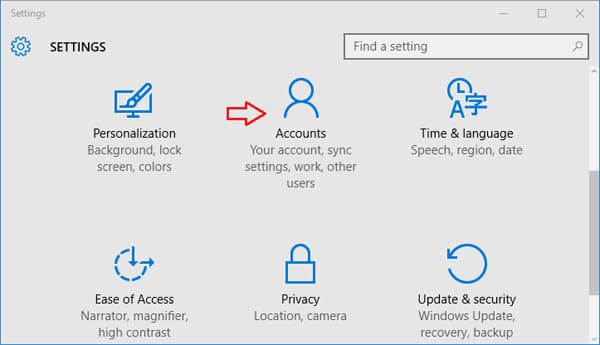
For Windows 10 and 11:
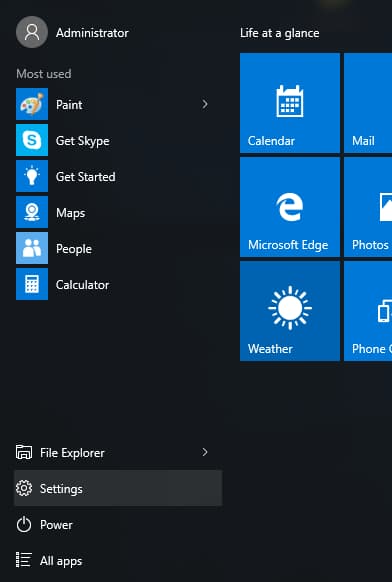
  • Press Windows + I to open Settings.
Press Windows + I to open Settings
  • Go to Accounts → Family & Other Users.
Go to Accounts → Family & Other Users
  • Click Add someone else to this PC.
  • In the Microsoft account prompt, choose I don’t have this person’s sign-in information → then click Add a user without a Microsoft account.
Add a user without a Microsoft account
  • Enter a username (e.g., QBAdminTest) and a secure password.
  • After creating the user, click the new profile under “Other Users” and select Change account type → Administrator.

For Windows 8/7:

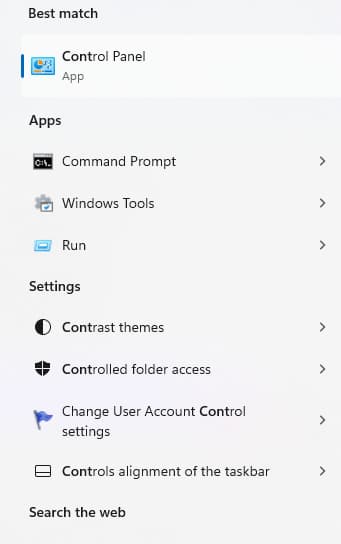
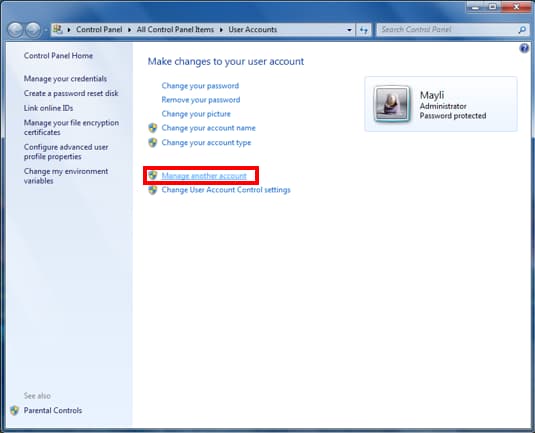
  • Open the Control Panel → User Accounts → Manage another account.
Open the Control Panel → User Accounts → Manage another account.
  • Select Create a new account.
Manage Another Account
  • Name it (e.g., QBAdminTest) and select Administrator.
  • Click Create Account.

Step 2: Log In with the New Administrator Account

  • Sign out of your current Windows account.
  • Log in using the new administrator profile you just created.
  • Wait for Windows to finish setting up the environment (first login may take a few minutes).

This creates fresh registry keys, user directories, and permission paths essential for QuickBooks to operate properly.

Step 3: Reopen QuickBooks

  • Once logged in as the new administrator:
    • Locate your QuickBooks Desktop icon and right-click → Run as Administrator.
    • Open your company file or sample company.
  • Monitor system performance and stability.

Expected behavior: QuickBooks should open normally, without displaying the Unrecoverable Error.
All company file operations (open, save, backup, or report generation) should complete successfully.

Verification and Confirmation

After completing the test, confirm that:

  • QuickBooks launches successfully in the new Windows account.
  • There are no recurring error codes or “QuickBooks has encountered a problem” dialogs.
  • The QuickBooks Database Server Manager and QBW32.exe processes run under the new account without interruption (check via Task Manager → Details tab).
  • Access permissions to your company files (especially in shared or multi-user setups) are stable and unrestricted.

If QuickBooks runs smoothly in the new profile, this confirms that the original Windows account was corrupted or lacked sufficient access rights.

Solution 6: Open a Sample File or Create a New QuickBooks User Profile

DifficultyRiskBackupBest forTime
EasyLowNoIsolating company file vs. profile issues10 minutes

Quick answer: This isolates whether the problem is your company file/folder or your QuickBooks user profile — do this before deeper repairs.

This diagnostic step is critical because many unrecoverable errors are not software-wide but rather localized to one user or company file configuration.

QuickBooks maintains unique configuration files for each user, including access permissions, custom views, and transaction-level memory states.
If these user profile settings or the linked company file (.QBW) become corrupted, QuickBooks may crash when loading that specific environment — even though the rest of the application works correctly.

By comparing performance using a sample file or a newly created user, you can quickly confirm the scope of corruption:
  • If the sample file opens normally → The issue lies in your original company file.
  • If the new user works correctly → The issue is with your user profile or permissions.
  • If both fail → The problem may be deeper (damaged QuickBooks installation or system dependencies).
Open a Sample Company File

Step 1: Launch QuickBooks in No Company Mode

  • Hold down the Ctrl key on your keyboard and double-click the QuickBooks Desktop icon.
  • Keep holding Ctrl until the No Company Open window appears.
    • This prevents QuickBooks from automatically loading your default company file (which might be corrupted).
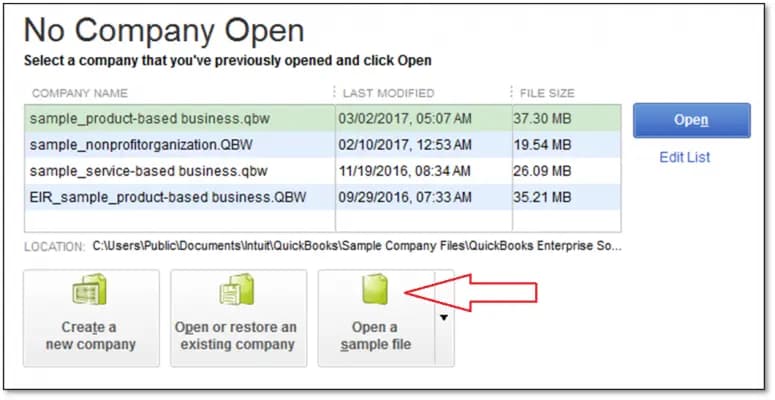
  • Once on the “No Company Open” screen, proceed to test a sample company file.

Step 2: Open a Sample Company File

  • On the No Company Open window, click Open a Sample File.
  • Choose one of the available sample companies, such as:
    • Sample Product-Based Business
    • Sample Service-Based Business
  • QuickBooks will attempt to launch this preloaded sample file.
  • Observe whether the program opens normally and allows navigation between modules (Customers, Vendors, Reports, etc.).

Step 3: Create a New User Profile

If the issue appears tied to your company file but may involve your user profile, follow these steps to create a new QuickBooks user:

  • Open your existing company file (if accessible).
  • Navigate to:
    • Company → Users → Set Up Users and Passwords → Set Up Users
    • For QuickBooks Enterprise: Company → Users → Set Up Users and Roles
  • Click Add User.
  • Enter a new username and password (avoid reusing a damaged username).
  • Assign appropriate access permissions for the new user.
  • Click Finish to save the new user profile.
  • Log out of QuickBooks and re-login using the new user credentials.

Step 4: Verification and Validation

After opening the sample file or creating a new user:

  • Check for stability: Navigate through menus, open reports, and save sample transactions.
  • Monitor for recurrence: If QuickBooks runs without crashes for several minutes, the test is considered successful.
  • Optional: Review your QuickBooks logs:
    • QBWin.log for internal file issues.
    • Event Viewer → Application Log for process-level crashes (look for QBW32.exe faults).

If no new unrecoverable error codes appear, the issue has been successfully isolated to the user or file level.

Solution 7: Transfer the Company File to Another Folder

DifficultyRiskBackupBest forTime
EasyLowRecommendedRuling out a damaged folder/path5 minutes

Quick answer: Rules out a damaged folder or permissions on the folder path itself.

Steps:

  • Make a new folder on the top layer of your desktop and name it QBTEST.
  • Create a new folder on the server. Copy your company file to the new folder.
  • Iconize QuickBooks, and when the program opens, locate and open the QBTEST folder with the QuickBooks company file.

Solution 8: Use QuickBooks File Doctor from Tool Hub

DifficultyRiskBackupBest forTime
EasyLowRecommendedOne-pass automated company-file scan10–20 minutes

Quick answer: An automated tool from Tool Hub that scans and repairs company-file-level damage in one pass — a good “try this before manual rebuild” step.

Steps:
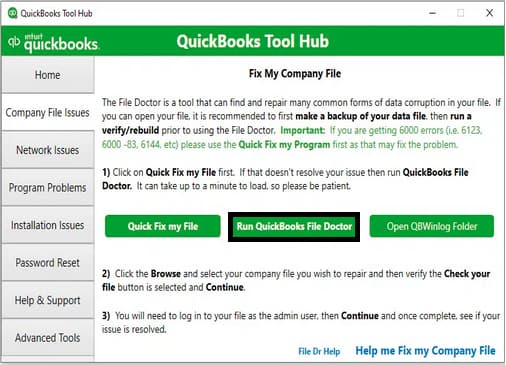
Using the Rebuild Data Tool
  • Use the tool to scan and repair your company file.

Solution 9: Repair or Rebuild QuickBooks Company File

DifficultyRiskBackupBest forTime
ModerateMediumRequiredVerified company-file data issuesDepends on file size — can exceed an hour

Quick answer: Diagnoses and repairs internal company-file data corruption — the standard fix when the error happens during save, backup, or reconciliation.

This method uses QuickBooks’ built-in diagnostic utilities — Verify Data and Rebuild Data — to identify structural damage, rebuild damaged indexes, and restore data integrity safely.

When to Use This Method:

Apply this method if:

  • QuickBooks crashes when opening or closing a specific company file.
  • Reports display missing, duplicated, or inconsistent data.
  • You see unrecoverable errors during save, backup, or reconciliation.
  • The Verify Data tool reports internal data inconsistencies or “list element corruption.”

Step 1: Open the Verify Data Utility

  • Launch QuickBooks Desktop.
  • From the top menu bar, select:
    File → Utilities → Verify Data.
  • QuickBooks will begin scanning your company file for data errors or integrity issues.
  • If QuickBooks reports “No problems detected,” your file is stable — no further repair is required.
    Otherwise, it will prompt you to run Rebuild Data.

If the Verify process halts or QuickBooks crashes during verification, this indicates severe corruption, and you should move directly to Step 2 with a backup created first.
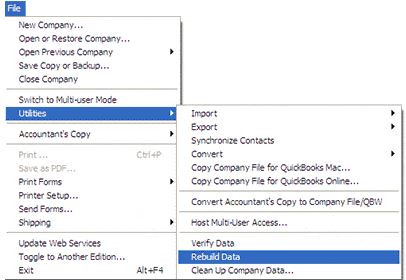
Step 2: Run the Rebuild Data Utility

  • Go to File → Utilities → Rebuild Data.
Repair or Rebuild QuickBooks Company File
  • QuickBooks will prompt you to create a backup of your company file before starting the rebuild.
    • Click OK and choose a secure location (preferably an external or cloud backup).
    • Wait until the backup completes before continuing.
  • Once the backup is complete, QuickBooks automatically begins the rebuild process.
    • The system may appear slow or unresponsive — this is normal.
    • Avoid interrupting the process to prevent further corruption.

During this stage, QuickBooks:

  • Reconstructs damaged data blocks.
  • Reindexes transactional and list data.
  • Removes orphaned entries and rebuilds internal record links.

Step 3: Verification and Confirmation

  • Once the rebuild completes, you’ll receive a confirmation message:
    “Rebuild has completed.”
  • Return to File → Utilities → Verify Data again to perform a post-repair check.
  • If the verification report shows no data issues, your company file is now stable and error-free.

If QuickBooks still reports corruption, repeat the process once more or proceed to Advanced Data Recovery Options.

Optional: Advanced Validation

For ongoing data stability, perform the following checks after rebuilding:

  • Open critical reports (Profit & Loss, Balance Sheet, and Transaction Detail) to ensure consistency.
  • Run File → Utilities → Condense Data (optional) to optimize performance if the file size exceeds 500MB.
  • Check your QBWin.log file (location: C:\Users\Public\Documents\Intuit\QuickBooks\Log\) —
    look for the latest timestamped entries confirming “Rebuild completed successfully.”

Solution 10: Update to the Newest Version of QuickBooks Desktop Available

DifficultyRiskBackupBest forTime
EasyLowNoConfirming you’re on a maintenance release that fixes known bugs5–15 minutes

Quick answer: Many unrecoverable errors are fixed in maintenance releases — always confirm you’re current before deeper repairs.

  • Open QuickBooks → Help → Update QuickBooks Desktop → Update Now → Get Updates.
  • Once done, restart and reopen QuickBooks.

Solution 11: Reinstall or Repair QuickBooks (Clean Install)

DifficultyRiskBackupBest forTime
AdvancedMediumRequiredLast resort — even the sample file won’t open45–60 minutes

Quick answer: Use only after Solutions 1–10 have failed, or if the error prevents even the sample file from opening. This wipes corrupted install residue and starts fresh.

clean installation ensures that no corrupted components, residual cache files, or faulty configurations interfere with QuickBooks operations. This is one of the most effective solutions when all other repair methods fail, especially for errors linked to broken dependencies or missing program references (e.g., QBW32.exeIntuit Sync Manager, or QBDBMgrN.exe).

Why a Clean Install Works:

QuickBooks relies on hundreds of registry paths, shared DLLs, and configuration links between Microsoft components like .NET FrameworkMSXML, and Visual C++ Redistributables.
When any of these links break due to:

  • incomplete installations,
  • failed updates,
  • or previous repairs that left residual files behind,

QuickBooks may crash or display Unrecoverable Error XXXXX XXXXX during startup or data access.
clean reinstall eliminates all damaged traces, reinstalls dependencies, and resets your system to a factory-stable QuickBooks environment.

Before You Begin – Important Preparations

  • Backup Your Company Files:
    Copy your company files (.QBW.ND.TLG) to a safe location, such as an external drive or cloud backup.
    This ensures your accounting data remains intact during reinstallation.
  • Record Your License & Product Information:
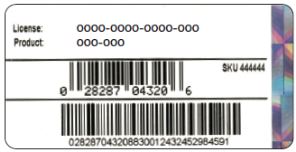
    • Open QuickBooks (if possible) → Press F2 → Note your Product Number and License Key.
    • You’ll need these for reactivation after reinstalling.
  • Close All Background Programs:
    Disable antivirus temporarily and close any background QuickBooks-related processes via Task Manager.
  • Ensure You Have Administrator Access:
    The reinstallation process requires admin rights to make registry-level changes.

Step 1: Uninstall QuickBooks Desktop

  • Press Windows + R → Type appwiz.cpl → Press Enter.
  • In the Programs and Features window, locate your version of QuickBooks Desktop.
  • Select it → Click Uninstall/Change → Follow the on-screen prompts.
  • Once complete, restart your computer to clear residual processes.

Step 2: Run the Clean Install Tool (via QuickBooks Tool Hub)

The Clean Install Tool removes leftover QuickBooks installation folders, registry entries, and cached data that a normal uninstall cannot.
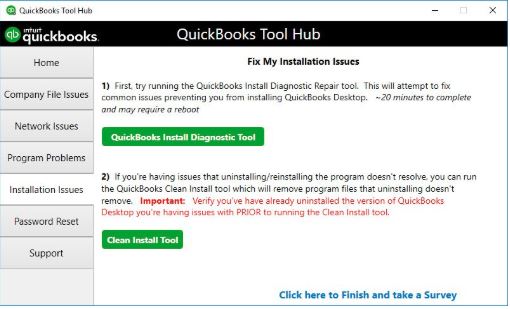
  • Download and open the QuickBooks Tool Hub (latest version).
  • Navigate to Installation Issues → Clean Install Tool.
Installation Issues → Clean Install Tool
  • When prompted, select your QuickBooks version and year (e.g., QuickBooks Desktop Pro 2024).
  • The tool automatically renames all previous installation folders with “.old” extensions, such as:
    • C:\Program Files\Intuit\QuickBooks (Year) → QuickBooks (Year).old
    • C:\ProgramData\Intuit → Intuit.old
    • C:\Users\[Username]\AppData\Local\Intuit → Intuit.old
  • Once the cleanup completes, reboot your system.

Step 3: Reinstall QuickBooks Desktop

  • Download the latest QuickBooks installer from Intuit’s official website or insert your installation CD (if available).
  • Right-click the installer and choose Run as Administrator.
  • Follow on-screen instructions to install QuickBooks:
    • Accept the license agreement.
    • Enter your License Number and Product Number.
License Number and Product Number
  • Choose Express Install (for single-user) or Custom Install (for multi-user or server setups).
  • Wait for the setup to complete and restart your computer once prompted.

Step 4: Restore Your Company File

  • After reinstallation, launch QuickBooks.
  • If prompted, activate your product using the recorded license details.
  • Click Open or Restore an Existing Company File → Browse to your backed-up .QBW file.
  • Verify that the company file opens normally and that all reports and transactions load without delay.

QuickBooks Unrecoverable Error After a QuickBooks or Windows Update

A dedicated path for the common “it broke right after an update” scenario. Not every post-update crash requires reinstalling QuickBooks — work through these in order first:

  • Restart Windows completely.
  • Check your QuickBooks release/update status (Help → Product Information shows your current release).
  • Run Quick Fix My Program (Solution 1).
  • Test a sample company file to rule out company-file damage.
  • If components are missing, run the Component Repair Tool (Solution 2).
  • Test the original company file.
  • Only use Clean Install (Solution 11) if the above steps don’t resolve it.

Fix Unrecoverable Error During Bank Reconciliation

When the error happens specifically during reconciliation or while opening reconciliation reports, the issue is commonly tied to Adobe Reader conflicts rather than company file damage.

Solution A: Update Adobe Reader to the Latest Version

  • Open Adobe Reader → Help → About Adobe Reader and check the version.
  • If it’s version 8, 9, or 10, download the latest version from Adobe’s official site, then restart and retry.

Solution B: Change PDF Display Preferences

  • Adobe Reader → Edit → Preferences → Internet → uncheck “Display PDF in Browser” → OK, then restart QuickBooks.

Solution C: Clear Temporary Files

  • Close QuickBooks and Adobe Reader, press Windows+R, type %temp%, delete the temp files, clear Adobe’s cache, and restart.

Fix Unrecoverable Error When Importing Accountant’s Changes

This error appears during the merge process of an Accountant’s Copy. QuickBooks often recovers automatically and shows a report of unapplied changes, which can be entered manually.
Solution A: Continue the Import Process

  • Click Send when the error appears, select OK to continue, then manually enter any changes shown as unapplied.

Solution B: Verify Data and Recreate the Change File

  • Restore a recent backup, run Verify Data and Rebuild Data, update QuickBooks, then have the accountant recreate and re-send the change file.

Solution C: Remove Accountant’s Copy Restrictions

  • File → Accountant’s Copy → Remove Restrictions, resolve any data damage, then create and reimport a new Accountant’s Copy.

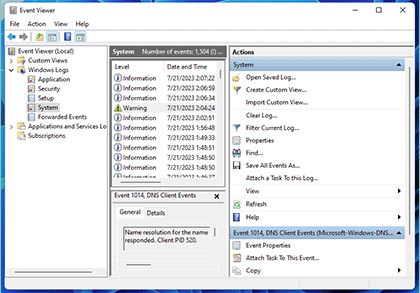
How to Check a QuickBooks Crash in Windows Event Viewer

  • Press Windows + R, type eventvwr.msc, and press Enter.
  • Open Windows Logs → Application.
  • Find the error entry matching the time your QuickBooks crash occurred.
  • Look for references to QBW32.exe.
  • Record the faulting application, faulting module, and exception code shown.
  • Use these details when escalating to support — they speed up diagnosis significantly.
Check a QuickBooks Crash in Windows Event Viewer

Note: an Event Viewer error referencing QBW32.exe confirms a crash occurred, but it doesn’t automatically prove the company file itself is corrupted — treat it as one data point, not a diagnosis.

How to Read Your QBWin.log File

Verified location (current QuickBooks Desktop for Windows): C:\Users\[YOUR USER NAME]\AppData\Local\Intuit\QuickBooks\log\XX.X\QBWin.log — where XX.X is your QuickBooks version number (for example, 24.0 for QuickBooks 2024). The fastest way to get there is to type %localappdata%\Intuit\QuickBooks\log\XX.X\QBWin.log into File Explorer’s address bar. You can also open it directly from QuickBooks: press F2 (Product Information) → F3 (Tech Help) → Open File tab → QBWin.log → Open File.

  • Open the file and scroll to the bottom — the most recent entries matter most.
  • Search (Ctrl+F) for “Begin Verify” to jump to the last Verify Data run.
  • “LVL_ERROR” marks the exact moment QuickBooks flagged a problem.
  • “Verify Target Failed” confirms data corruption in a specific list or transaction.
  • A code like “C=47” or “C=182” next to an error identifies the specific damaged data structure — worth noting when contacting support.
  • A clean run after Rebuild Data ends with confirmation of successful completion and no new LVL_ERROR entries.

When NOT to Run Rebuild Data

⚠ Rebuild Data modifies your company file. Applying it to the wrong problem can waste time or add risk.

  • You do not have a safe backup.
  • The company file is severely unstable (crashes constantly, even briefly).
  • You haven’t yet confirmed the problem is actually the company file (see the decision tree above).
  • The issue occurs only for one Windows user — that points to a profile problem, not the file.
  • The sample company file also fails to open — that points to a program/environment problem.
  • A professional recovery process is already underway.

Using Auto Data Recovery (ADR) to Recover a Damaged File

Auto Data Recovery is QuickBooks‘ built-in safety net — it keeps recent copies of your transaction log (.TLG) and company file (.ND) so you can rebuild a working file even if the main one is badly damaged.

Auto Data Recovery vs. Regular Backup

Auto Data RecoveryRegular Backup
Emergency recovery mechanismPlanned, scheduled backup
Useful when the original file is already damagedUsed for normal, routine restoration
May not contain the most recent work (up to a few hours old)Depends entirely on your backup date
Recovery copy must be verified before useBackup should also be periodically test-restored

When Should You Use ADR?

  • The original company file won’t open and no recent manual backup exists.
  • Verify Data/Rebuild Data has already failed on the original file.

When Should You NOT Rely on ADR?

  • You have a same-day backup available — use that instead, it’s more complete.
  • Critical transactions from the last few hours must not be lost — ADR copies may not include them.

Recovering the file

  • Locate the QuickBooksAutoDataRecovery subfolder inside your company file’s folder.
  • Copy the .QBW.adr and .TLG.adr files to a new folder, rename them to remove the .adr extension.
  • Open the renamed .QBW file in QuickBooks.

How to Verify the Recovered Company File

  • Run Verify Data immediately after opening the recovered file.
  • Check the most recent transactions, invoices, and reports against any records you have (paper, email, bank statements).
  • Only replace the original damaged file with the recovered copy after this verification is complete.

Multi-User and Network Deep-Dive

For offices running QuickBooks across several workstations, unrecoverable errors are often network-related rather than file-related.

  • Confirm the QuickBooks Database Server Manager is running on the host computer and scanning the correct company file folder.
  • Whitelist these in your firewall: QBW32.exe, QBDBMgrN.exe, QBCFMonitorService.exe, and the TCP ports QuickBooks assigns during install.
  • Use a wired Ethernet connection for the host machine — Wi-Fi packet loss during multi-user access is a common trigger.
  • If only remote/VPN users see the error, check latency to the host — QuickBooks’ file locking doesn’t tolerate high-latency connections well.

QuickBooks Tool Hub: Which Tool for Which Problem

Tool / MethodBest Used For
Quick Fix My ProgramProgram-level problems, stuck processes
Component/program repairInstallation or Microsoft-component issues
Sample Company FileDetermining whether the company file is involved
Verify DataDetecting possible data problems (non-destructive)
Rebuild DataRepairing confirmed data issues, after backup
File DoctorOne-pass automated company-file scan and repair
Clean Install ToolReplacing a damaged QuickBooks installation entirely

Keep tool names and menu paths matched to your current QuickBooks Tool Hub version — Intuit periodically renames or relocates menu items.

DIY vs. Professional Help: Decision Matrix

SituationRecommended PathWhy
Error just started, affects one user, one PCTry DIY (Solutions 1–5)Low risk, usually resolved in under 30 minutes
Sample file also fails to openGo straight to professional helpPoints to a broken installation, not a simple fix
Verify Data reports errors after 2 rebuild attemptsProfessional / data recovery serviceRepeated rebuild failures indicate deeper structural damage
Error appears only during multi-user accessTry Network Deep-Dive first, then IT/professionalOften a configuration fix, not a data problem
No recent backup exists and file won’t openProfessional help immediatelyReduces risk of permanent data loss from further attempts

Stop DIY and Seek Professional/Data-Recovery Help When:

  • No usable backup exists.
  • The company file will not open under any test.
  • Sample company testing indicates a broader program problem.
  • Verify Data continues reporting problems after repair attempts.
  • Rebuild Data repeatedly fails.
  • Critical accounting or payroll information is involved.
  • A recovered file appears incomplete.
  • Multiple users are affected and the cause can’t be isolated.
  • Further troubleshooting could risk the only available copy of the company file.

Version-Specific Notes

  • QuickBooks Desktop Pro/Premier 2022 and earlier: Tool Hub menu labels may read “Program Problems” under a slightly different layout — functionality is the same.
  • QuickBooks Desktop 2023–2024: Component Repair Tool is integrated directly into Tool Hub’s Installation Issues tab rather than a separate download.
  • QuickBooks Enterprise: User setup path is Company → Users → Set Up Users and Roles (not “Set Up Users and Passwords”).
  • QuickBooks on Windows Server / hosted environments: Creating a new Windows admin account requires Server Manager → Computer Management, not the standard Settings app — consult your IT administrator first.

Preventing Future Unrecoverable Errors

These are one-time setup steps — not repeated from the solutions above.

  • Always run QuickBooks as administrator.
  • Keep Windows and QuickBooks updated — check weekly.
  • Run Verify/Rebuild Data monthly, always backing up first.
  • Whitelist QuickBooks in your antivirus/firewall: QBW32.exe, QBDBMgrN.exe, QBUpdate.exe, and Intuit install folders.
  • Use a wired connection for multi-user setups instead of Wi-Fi.
  • Schedule automatic backups (File → Back Up Company → Create Local Backup) and keep 3–5 versions, stored locally and in the cloud.

The Bottom Line

This guide provides a structured path to diagnose and resolve QuickBooks Desktop Unrecoverable Errors with accuracy and stability. Each method strengthens the program environment, protects company data, and restores normal operation.

If the error continues after applying these solutions, contacting a qualified QuickBooks support professional ensures that the remaining fault is analyzed and corrected efficiently.

Frequently Asked Questions

Why does holding ALT while opening the company file help?

It skips loading your saved desktop layout and the last-used transaction/report windows — both common sources of the crash — so the file opens in a clean, stable state.

How do I know if it’s my company file or my Windows profile?

Open a sample file. If it works, your original file or folder is damaged. Separately, try a new Windows administrator account — if the error disappears there, your original Windows profile is damaged or under-permissioned.

Why run the Component Repair Tool if Quick Fix My Program didn’t work?

Quick Fix My Program only addresses stuck processes and small program-level damage. The Component Repair Tool targets deeper Microsoft dependencies that QuickBooks needs to run at all.

What should I check in QBWin.log and Event Viewer?

In Event Viewer, look for Error/Critical entries referencing QBW32.exe. In QBWin.log, look for “LVL_ERROR,” “Verify Target Failed,” or codes like “C=###” — these point to data corruption.

When should I go straight to a Clean Install?

Only after Quick Fix My Program and the Component Repair Tool have both failed, or if even a sample company file won’t open.

Why run Verify Data before Rebuild Data?

Verify Data is non-destructive diagnostics; Rebuild Data actually modifies the file. Always verify first, back up, rebuild, then verify again.

Will I lose my data if I get an Unrecoverable Error?

Not necessarily. The error shuts QuickBooks down, but your company file usually remains intact. Any work not saved at the exact moment of the crash may be lost — which is why backing up before troubleshooting matters.

What happens to a transaction when QuickBooks crashes?

Saved transactions generally remain in the company file. Work that had not been saved at the time of the crash may need to be re-entered. Always check your most recent transactions after recovery — an application crash does not automatically mean the entire company file is corrupted.

How long does it take to fix an Unrecoverable Error?

Simple fixes like the ALT key method take under 5 minutes. Rebuild Data can take over an hour on large company files. A full Clean Install typically takes 45–60 minutes including reinstall and reactivation.